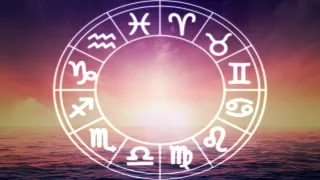
There is something quietly powerful about beginning a day with awareness. Not just awareness of your schedule or deadlines, but of time itself, how it flows, shifts, and influences the rhythm of life. The Panchang April 12, 2026, offers exactly that: a cosmic blueprint rooted in ancient Vedic wisdom, guiding everything from daily routines to major life decisions.
Whether you follow it religiously or simply out of curiosity, a Panchang is more than a calendar. It is a reflection of celestial movements translated into practical guidance. And on this particular Sunday, the energies are layered, subtle, dynamic, and worth paying attention to.
April 12, 2026, falls on a Raviwar Sunday, a day traditionally associated with the Sun symbolising authority, vitality, and clarity. This alignment alone makes it a powerful day for self-reflection, planning, and setting intentions.
The day operates under the Krishna Paksha Dashami Tithi, which continues until 12:37 AM before transitioning into Ekadashi. Dashami is often seen as a phase of consolidation, wrapping up tasks, evaluating progress, and preparing for the spiritual alignment that Ekadashi brings.
At a deeper level, the cosmic environment is shaped by:
- Ayana Uttarayan Sun’s northward journey
- Ritu Season Vasant Spring
- Lunar Month Chaitra Amanta and Vaisakha Purnimanta
This combination reflects renewal, growth, and subtle transformation mirroring the energy of spring itself.
Sunrise, sunset and moon timings April 12 2026
Timing is everything in Vedic astrology, and April 12 unfolds with a precise celestial schedule:
- Sunrise 6:12 AM
- Sunset 6:42 PM
- Moonrise 2:38 AM
- Moonset 1:52 PM
These timings shape the day’s energy cycles. The early morning hours, especially before sunrise, hold immense spiritual significance, while the evening period calls for caution due to inauspicious influences.
Tithi nakshatra and yoga details
Tithi
- Krishna Paksha Dashami Until 12:37 AM April 13
- Followed by Ekadashi
Dashami is often associated with completion and preparation. It is a day to tie up loose ends rather than begin something entirely new.
Nakshatra
- Shravana Until 3:14 PM
- Dhanishta Begins after 3:14 PM
Shravana is linked with learning, listening, and wisdom. It encourages introspection and gaining knowledge. As the day transitions into Dhanishta, the energy shifts toward ambition, rhythm, and social connection.
Yoga
- Sadhya Yoga Until 6:15 PM
- Subha Yoga After 6:15 PM
Sadhya Yoga supports disciplined work and steady progress, while Subha Yoga brings positivity and favourable outcomes, especially in the evening.
Auspicious timings April 12 2026
- Brahma Muhurat 4:35 AM to 5:23 AM
- Amrit Kaal 5:17 AM to 6:56 AM
- Abhijit Muhurat 12:02 PM to 12:52 PM
These windows are often used to start new ventures, make decisions, or perform rituals.
Inauspicious timings April 12 2026
- Rahu Kaal 5:08 PM to 6:42 PM
- Yamaganda 12:27 PM to 2:01 PM
- Gulika Kaal 3:35 PM to 5:08 PM
- Dur Muhurat 5:02 PM to 5:52 PM
- Varjyam 7:22 PM to 9:01 PM
These time frames are generally avoided for important activities like travel, investments, or new beginnings.
Planetary positions April 12 2026
- Sun in Meena Pisces
- Moon in Makara Capricorn until early April 13 then moves to Kumbha Aquarius
This combination creates a balance between grounded thinking and imagination.
Karana details April 12 2026
- Vanija Karana Until 1:03 PM
- Vishti Karana Until 1:17 AM April 13
Vanija is considered good for business-related activities and financial decisions. Vishti is generally avoided for auspicious work.
Anandadi yoga April 12 2026
- Gada Kada until 3:14 PM
- Matanga after that
These yogas influence the day's energy with strength, determination, wisdom, and leadership.
Chandrabalam zodiac signs April 12 2026
Favourable zodiac signs until April 13 3:44 AM:
- Mesha Aries
- Karka Cancer
- Simha Leo
- Vrischika Scorpio
- Makara Capricorn
- Meena Pisces
After moon transition:
- Mesha Aries
- Vrishabha Taurus
- Simha Leo
- Kanya Virgo
- Dhanu Sagittarius
- Kumbha Aquarius
If your sign falls within these groups, the day may feel smoother and more productive.
Why Panchang is still relevant today
In modern life, it is easy to dismiss the Panchang as something traditional. But it continues to offer value even today. It works like an ancient scheduling system that considers cosmic patterns along with time.
Many people still use it for planning important events, business launches, and personal decisions. It brings a sense of alignment, confidence, and clarity.
How to use Panchang in daily life
- Plan important work during Abhijit Muhurat
- Avoid major decisions during Rahu Kaal
- Use Brahma Muhurat for meditation and focus
- Schedule creative tasks based on moon transitions
These small changes can improve productivity and mental clarity.
The Panchang April 12, 2026, is more than just a list of timings. It is a guide to living with awareness. From auspicious muhurats to planetary movements, it helps in understanding the flow of time.