In many Indian households, the day does not truly begin until someone checks the Panchang. Whether it is deciding the right time for a new venture, planning a fast, or simply understanding the cosmic rhythm of the day, the traditional Hindu calendar continues to guide millions. The Panchang for March 6, 2026, holds special significance, featuring important lunar movements, auspicious timings, and two notable observances.
From the sacred observance of Sankashti Chaturthi to the tithi-based birth anniversary of the legendary Maratha ruler Chhatrapati Shivaji, the day blends devotion, history, and astrological importance. If you are planning religious rituals, fasting, travel, or major decisions, understanding the Panchang details can help align your day with favourable planetary energies.
Below is a detailed look at sunrise and sunset timings, auspicious muhurats, lunar positions, and the key observances for March 6, 2026.
Panchang March 6, 2026: Sunrise, Sunset and Moon Timings
The day begins with a peaceful early morning window that many astrologers consider spiritually powerful.
Sunrise: 6:48 AM
Sunset: 6:28 PM
Moonrise: 9:13 PM
Moonset: 8:44 AM (March 7)
These timings are particularly important for devotees observing fasts or performing evening moon worship, especially on Sankashti Chaturthi, when devotees traditionally break their fast after sighting the moon.
The day falls under Uttarayan, the auspicious half of the solar year when the Sun moves northward, a period often associated with growth, prosperity, and spiritual progress.
Tithi and Lunar Details for March 6, 2026
In the Hindu lunar calendar, the tithi determines the spiritual tone of the day.
Krishna Paksha Tritiya until 5:53 PM
Krishna Paksha Chaturthi begins at 5:53 PM and continues until March 7, 7:17 PM
The beginning of Krishna Paksha Chaturthi in the evening is what marks the observance of Sankashti Chaturthi, a day dedicated to Lord Ganesha. Devotees believe that fasting and prayers on this day help remove obstacles and bring success.
Nakshatra (Constellation)
Hasta until 9:29 AM
Chitra from 9:29 AM onwards
Hasta Nakshatra is known for creativity, craftsmanship, and intellectual clarity. As the day progresses, Chitra Nakshatra takes over, which is often associated with artistic brilliance, transformation, and dynamic energy.
For individuals starting creative work, design projects, or intellectual tasks, this combination of nakshatras is considered favourable.
Planetary Positions and Zodiac Movements
Planetary alignments play a crucial role in determining the astrological climate of the day.
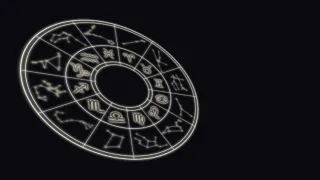
Sun in Kumbha (Aquarius)
Moon in Kanya (Virgo) until 10:18 PM
Moon enters Tula (Libra) after 10:18 PM
The Moon’s presence in Virgo for most of the day encourages analytical thinking, discipline, and careful planning. Later, as it transitions into Libra, the energy becomes more balanced and relationship-oriented.
Astrologers often say this shift can bring emotional equilibrium and encourage diplomacy in personal or professional matters.
Festivals and Religious Observances
Sankashti Chaturthi
Sankashti Chaturthi is one of the most widely observed fasts dedicated to Lord Ganesha. Devotees observe a strict fast during the day and break it after moonrise, offering prayers and chanting Ganesha mantras.
Many believe that observing this fast helps overcome challenges and removes obstacles in life, which is why it remains deeply popular across India.
Chhatrapati Shivaji Tithi Jayanti
The day also marks the tithi-based birth anniversary of Chhatrapati Shivaji Maharaj, the revered Maratha warrior king known for his strategic brilliance and visionary leadership.
Unlike the commonly celebrated date-based Shivaji Jayanti on February 19, the tithi-based celebration follows the lunar calendar, making it spiritually significant for many devotees and historians alike.
Across Maharashtra and parts of India, people remember Shivaji’s legacy of courage, governance, and cultural pride.
Auspicious Muhurat on March 6, 2026
Choosing the right muhurat is central to Hindu traditions, whether it involves prayers, starting a new project, or conducting rituals.
Brahma Muhurat: 5:11 AM to 5:59 AM
Amrit Kaal: 4:22 AM to 6:05 AM
Abhijit Muhurat: 12:14 PM to 1:01 PM
Brahma Muhurat, which occurs before sunrise, is widely regarded as the best time for meditation, yoga, and spiritual practices. Many spiritual teachers consider this period ideal for mental clarity and inner peace.
Abhijit Muhurat, around midday, is another powerful window often used for important decisions, travel, or starting new work.
Inauspicious Periods to Avoid
The Panchang also highlights certain periods believed to be unfavourable for initiating major tasks.
Rahu Kaal: 11:10 AM to 12:38 PM
Yamaganda: 3:33 PM to 5:00 PM
Gulika Kaal: 8:15 AM to 9:43 AM
Dur Muhurat: 9:08 AM to 9:54 AM and 1:01 PM to 1:48 PM
Varjyam: 6:04 PM to 7:47 PM
During these periods, people traditionally avoid starting new ventures, signing contracts, or performing auspicious rituals.
However, routine daily work and necessary activities can continue.
Day and Night Choghadiya
Day Choghadiya
- Char: 6:48 AM - 8:15 AM
- Labh: 8:15 AM - 9:43 AM
- Amrut: 9:43 AM - 11:10 AM
- Kaal: 11:10 AM - 12:38 PM
- Shubh: 12:38 PM - 2:05 PM
- Rog: 2:05 PM - 3:33 PM
- Udveg: 3:33 PM - 5:00 PM
- Char: 5:00 PM - 6:28 PM
Night Choghadiya
- Rog: 6:28 PM - 8:00 PM
- Kaal: 8:00 PM - 9:33 PM
- Labh: 9:33 PM - 11:05 PM
- Udveg: 11:05 PM - 12:37 AM
- Shubh: 12:37 AM - 2:10 AM
- Amrut: 2:10 AM - 3:42 AM
- Char: 3:42 AM - 5:14 AM
- Rog: 5:14 AM - 6:47 AM
Seasonal and Calendar Context
March 6, 2026, sits at an interesting seasonal transition.
Vikram Samvat: 2083 (Siddharthi)
Shaka Samvat: 1947 (Visvavasu)
Amanta Month: Phalguna
Purnimanta Month: Chaitra
Vedic Ritu: Shishir (Winter)
Drik Ritu: Vasant (Spring)
This overlap reflects the gradual transition from winter to spring, a time traditionally associated with renewal, festivals, and agricultural activity across India.
The Panchang March 6, 2026, presents a day rich in spiritual significance and cosmic transitions. With the observance of Sankashti Chaturthi, the remembrance of Chhatrapati Shivaji Maharaj’s tithi jayanti, and the shift of the Moon from Virgo to Libra, the day carries both devotional and astrological importance.
For those planning prayers, fasting, or significant activities, paying attention to the sunrise timings, nakshatra changes, auspicious muhurats, and inauspicious periods can help guide decisions in harmony with traditional Hindu wisdom.
In essence, March 6 is not just another date on the calendar it is a day where history, devotion, and cosmic alignment quietly come together.