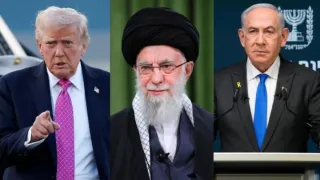
Tensions in Iran have continued to escalate as widespread protests grip the country, triggering an intense crackdown by authorities and drawing sharp reactions from the international community. Activists report a rapidly rising death toll, while restrictions on communication and internet access have further deepened concerns over transparency and human rights.
As unrest spreads across multiple cities, global leaders are closely monitoring the situation. US President Donald Trump has issued strong warnings to Tehran, urging restraint and promising support to protesters, while Iran’s leadership accuses foreign powers of fueling instability.
Amid this volatile backdrop, limited relaxations in communication curbs have offered brief relief to families and communities, even as key digital services remain blocked. The developments mark a critical moment in Iran’s ongoing political and social turmoil.
Communication Restrictions Partially Eased
In a notable move, Iranian authorities eased certain restrictions by allowing citizens to make international phone calls for the first time in several days. This step enabled Iranians to reach relatives and contacts abroad, offering a rare channel of communication amid the crisis.
However, the relief remained incomplete. While outbound calls were possible, people outside Iran were reportedly unable to connect back into the country. This one-sided access highlighted the continued tight control over communication flows.
Despite this partial easing, SMS text messaging services remained suspended. Internet access was still heavily restricted, with users only able to reach government-approved local websites, effectively isolating the country from the global digital space.
Death Toll Crosses Alarming Threshold
Human rights groups monitoring the unrest have reported that the death toll has surpassed 2,500, marking one of the deadliest episodes of internal conflict in recent years. The figures include protesters, bystanders, and security personnel.
Iranian state media has acknowledged significant casualties, referring to those killed as martyrs of the unrest. Officials have attributed the violence to armed groups and alleged terrorist elements, shifting blame away from security forces.
The growing number of fatalities has intensified international scrutiny, with calls for independent investigations and accountability growing louder each day.
Trump Calls for Continued Protests
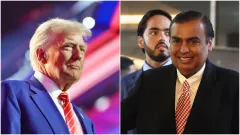
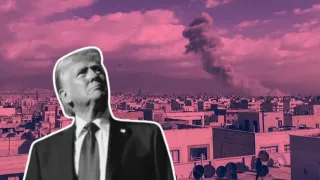
US President Donald Trump has taken a vocal stance, urging Iranians to continue protesting and to take control of their institutions. In a strongly worded message, he announced the cancellation of all engagements with Iranian officials until the killing of protesters ceases.
Trump assured demonstrators that help was on its way, framing his message as one of solidarity with what he described as Iranian patriots. His statements have amplified global attention on the unrest.
While supporters view his remarks as moral backing for protesters, critics argue that such statements could further inflame tensions on the ground.
Appeal for Humanity and Restraint
The US President has also publicly appealed to Iran’s leadership to show humanity toward its citizens. He described the reported killings as significant and said his administration was assessing the situation closely.
According to Trump, the Iranian government is facing a serious internal crisis that requires restraint rather than repression. He emphasized the importance of protecting civilian lives.
These remarks have been echoed by several international leaders calling for de-escalation and respect for basic human rights.
Iran Accuses US of Incitement
In response, Tehran has accused the United States of inciting violence and attempting to destabilize the country. Iranian officials claim that foreign interference is exacerbating the unrest.
Iran’s representatives at international forums have argued that external pressure threatens the nation’s sovereignty and territorial integrity. They hold the US and its allies responsible for encouraging chaos.
This exchange of accusations has further strained already fragile diplomatic relations between Tehran and Washington.
Warnings of Strong Action
Trump has warned of strong action if Iranian authorities proceed with executions or severe punishments against protesters. He indicated that the US would respond forcefully to such measures.
These warnings have added another layer of tension, raising concerns about possible escalation beyond Iran’s borders.
The rhetoric underscores the high stakes involved as both sides signal unwillingness to back down.
Claims of Military Intervention Pretext
Iranian officials have alleged that the US is seeking a pretext for military intervention. They argue that sanctions, threats, and political pressure are part of a broader strategy aimed at regime change.
Statements from Iran’s diplomatic missions emphasize that such approaches have failed in the past and will not succeed now.
This narrative is being used domestically to rally support against what authorities describe as foreign aggression.
Senior Officials Name External Blame
A senior Iranian official has publicly named Donald Trump and Israeli Prime Minister Benjamin Netanyahu as responsible for the deaths of Iranian civilians, further escalating the war of words.
Such statements reflect the depth of hostility and the extent to which the crisis has become entangled with regional and global rivalries.
The remarks have drawn criticism abroad but resonate with hardline supporters within Iran.
Global Diplomatic Pressure Mounts
Iranian ambassadors across Europe have been summoned as governments protest the violent crackdown and internet shutdowns. Several countries have described the repression as intolerable and inhumane.
European leaders have emphasized the need for immediate restoration of internet access and respect for peaceful assembly.
The coordinated diplomatic response signals growing international impatience with Tehran’s handling of the crisis.
Sanctions Announced by UK and EU
The United Kingdom and the European Union have announced new sanctions targeting key sectors of Iran’s economy. These measures aim to pressure the leadership to halt violence against protesters.
European officials have condemned the rising casualties and restrictions on freedom, calling them unacceptable.
The sanctions add economic strain to an already pressured system, potentially impacting the country’s stability further.
United Nations Urges End to Violence
The United Nations has called on Iranian authorities to immediately end violence and repression against peaceful demonstrators. Human rights officials have expressed alarm at reports of deaths and mass arrests.
The UN has stressed that labeling protesters as terrorists cannot justify excessive force.
As the situation continues to unfold, the international community remains focused on whether calls for restraint and dialogue will be heeded.
Also Read: Flipkart vs Amazon Republic Day Sale 2026 Best Deals