A political storm has erupted across India after a video surfaced showing Bihar Chief Minister Nitish Kumar pulling down the hijab of a Muslim woman during a government event in Patna. The incident, which occurred while the woman was receiving her appointment letter, has triggered nationwide outrage, reigniting debates around women’s dignity, minority rights, and the conduct of those in power.
The visuals, widely shared on social media, show the senior leader gesturing toward the woman’s attire before forcibly removing her veil in full public view. The moment, captured on camera, quickly went viral and drew sharp condemnation from opposition parties, rights groups, and civil society voices.
As criticism mounted from across political and ideological lines, the episode became a flashpoint in India’s ongoing discourse on religious freedom, gender respect, and the limits of state authority in personal matters.
Moment Captured on Camera at Government Ceremony
The incident took place during an official ceremony in Patna where appointment letters were being distributed. A female doctor of alternative medicine stepped forward to receive her letter when the chief minister appeared to take issue with her hijab.
In the video, Nitish Kumar is seen pointing at her veil and asking her to remove it. Before the woman could respond, he reached out and pulled it down himself, exposing her face in front of the audience.
Officials standing nearby appeared visibly uncomfortable, with one minister attempting to intervene, while others were seen reacting awkwardly, further fuelling public anger.
Viral Video Sparks National Outrage
The footage spread rapidly across social media platforms, prompting an avalanche of reactions from political leaders, activists, and ordinary citizens. Many described the act as humiliating, invasive, and unacceptable for someone holding the highest constitutional office in the state.
Hashtags condemning the incident trended throughout the day, with users questioning how such behaviour could occur at an official government function meant to celebrate professional achievement.
The outrage was not limited to Bihar, as voices from across India weighed in, calling the incident a serious breach of personal autonomy and respect.
Opposition Parties Demand Accountability
Opposition parties were quick to seize on the incident, demanding immediate accountability from the chief minister. Several leaders called for his resignation, arguing that his actions reflected a dangerous disregard for women’s dignity.
Political rivals accused him of normalising disrespect toward minority women and setting a troubling example for public conduct.
The controversy has added fresh fuel to political tensions in Bihar, especially in the aftermath of recent elections.
Muslim Groups and Rights Activists React
Muslim organisations and minority rights groups strongly condemned the act, describing it as an assault on religious freedom and personal choice. Protests were organised in several cities, with demonstrators demanding legal action.
Activists argued that forcibly removing a woman’s hijab violates her autonomy and sends a chilling message about safety and dignity for minority women.
Human rights advocates warned that such actions, when left unpunished, risk emboldening further discrimination.
Political Context and BJP Alliance
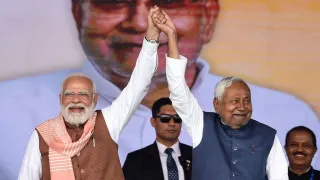
Nitish Kumar, a long-serving chief minister, is a key ally of the Bharatiya Janata Party at the national level. His alliance with the BJP has frequently drawn scrutiny, particularly on issues related to minorities.
The incident has intensified criticism of the broader political climate, with detractors arguing that hostility toward visible expressions of Muslim identity has become increasingly normalised.
Supporters of the chief minister, however, have attempted to downplay the episode, calling it a misunderstanding.
Renewed Focus on Hijab Controversies in India
The episode has revived memories of earlier national debates over hijab restrictions, especially in educational institutions. Over recent years, similar controversies have sparked widespread protests and legal battles.
For many observers, the Patna incident underscores how deeply polarised the issue remains, particularly when political authority intersects with personal religious expression.
The debate has once again highlighted the vulnerability of Muslim women caught at the centre of ideological battles.
Women’s Dignity and Consent in Public Life
Women’s rights advocates emphasised that the issue extends beyond religion, focusing instead on consent and bodily autonomy. They argued that no public official has the right to touch or alter a woman’s clothing without permission.
The public nature of the act, they said, compounded the humiliation and reinforced power imbalances between officials and citizens.
Calls grew louder for stricter standards of conduct at official events to prevent similar incidents.
International Reactions Add Pressure
The controversy also drew attention beyond India’s borders, with foreign leaders and international commentators expressing concern. Statements from abroad described the incident as deeply disturbing and harmful to India’s image.
Such reactions added diplomatic pressure and intensified calls for a clear response from the Bihar government.
The global attention further amplified the significance of the episode.
Party Response and Silence from the Chief Minister
Despite mounting criticism, Nitish Kumar did not immediately address the incident publicly. His party issued a brief statement defending his track record on minority welfare without directly addressing the video.
The absence of a personal apology or explanation from the chief minister drew further criticism, with many viewing the silence as dismissive.
Political analysts noted that delayed responses often deepen public distrust during sensitive controversies.
Public Trust and the Road Ahead
The hijab incident has sparked a broader conversation about respect, accountability, and the responsibilities of elected leaders. For many citizens, it has raised troubling questions about safety and dignity in public spaces.
As investigations and protests continue, the episode threatens to leave a lasting mark on Bihar’s political landscape and India’s ongoing debate over minority rights.
Whether the controversy results in concrete accountability or fades into political noise may shape public confidence in leadership and democratic values in the days ahead.
Also Read: Winter Tightens Grip: Coldest December Day Freezes Delhi