As escalating conflict in West Asia threatens global energy stability, Russia has conveyed its readiness to continue meeting India’s oil and gas requirements in the event of prolonged disruptions. With critical maritime corridors under strain and uncertainty surrounding Middle Eastern supplies, the offer adds a significant geopolitical dimension to India’s energy strategy.
The intensifying crisis, marked by strikes across the Gulf region and mounting threats to shipping lanes, has amplified fears of interruptions to crude oil, liquefied petroleum gas and liquefied natural gas flows. For India, which depends heavily on imports routed through sensitive chokepoints, the stakes are substantial.
Against this backdrop, New Delhi is simultaneously pursuing contingency measures to protect its economic security while navigating complex diplomatic and trade considerations involving global powers.
West Asia Turmoil and Energy Vulnerabilities
The Strait of Hormuz, a narrow passage that handles a major share of global oil shipments, has become a focal point of concern. Nearly half of India’s crude imports pass through this corridor, making any threat to maritime navigation a direct risk to domestic fuel availability and pricing stability.
Recent attacks on merchant shipping and energy infrastructure have heightened alarm within policy circles. Insurance premiums for vessels have climbed, rerouting has increased transit times and supply chain disruptions have begun affecting commodity markets. For an economy with growing industrial demand and expanding urban consumption, sustained energy volatility could translate into inflationary pressure and fiscal strain.
The Ministry of External Affairs underscored that trade and energy supply chains traverse this region, and any major disruption would carry serious consequences for India’s economy. It also reiterated opposition to attacks on commercial shipping, emphasizing the human and economic costs already witnessed.
Russia’s Offer to Fulfil India’s Energy Demands
Diplomatic sources indicate that Moscow has expressed willingness to ensure uninterrupted energy supplies to India should Middle Eastern disruptions continue. Russia has been a key supplier of discounted crude in recent years, helping India diversify its import basket and manage cost pressures amid global volatility.
By offering stability in oil and gas exports, Russia positions itself as a strategic partner during a period of uncertainty. The move also reflects shifting global energy alliances as traditional supply routes face geopolitical turbulence. For India, maintaining access to diversified energy sources remains central to long-term economic planning.
Energy analysts note that a balanced import portfolio reduces vulnerability to regional shocks and strengthens bargaining power in international markets.
Trade Pressures and Tariff Complexities
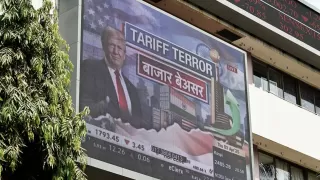
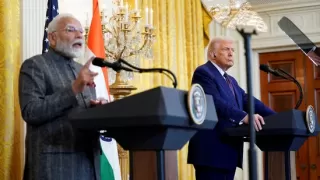
However, Russia’s proposal intersects with broader trade dynamics involving the United States. Last year, tariffs were imposed on India over its continued purchase of Russian energy. In early 2026, a proposed trade framework aimed at reducing tariffs significantly included conditions encouraging India to scale back Russian oil imports and pivot toward US energy sources.
A subsequent legal ruling in the United States affecting tariff authority has left aspects of the framework uncertain, potentially easing constraints on India’s procurement flexibility. This evolving legal and diplomatic landscape adds complexity to India’s energy calculus as it weighs cost, reliability and geopolitical alignment.
The interplay between trade policy and energy security underscores the delicate balancing act New Delhi must perform amid intensifying global rivalries.
India’s Contingency Measures to Safeguard Economic Security
Recognizing the risks posed by prolonged instability, India has initiated emergency preparedness measures. Trade Minister Piyush Goyal chaired a high-level meeting in New Delhi to assess vulnerabilities and coordinate response strategies. The government has introduced export flexibilities and formed an inter-ministerial group tasked with monitoring supply chains in real time.
These steps aim to cushion the domestic economy from sudden supply disruptions and price shocks. Officials are closely tracking fuel inventories, refining capacity utilization and alternative sourcing options to ensure continuity in energy distribution.
Such contingency planning reflects lessons learned from previous global crises, where rapid response mechanisms proved critical in minimizing economic fallout.
Impact on Remittances and Workforce Stability
Beyond energy flows, the Gulf region hosts a significant Indian workforce whose remittances form an essential component of household income in several states. Escalating tensions raise concerns about employment stability and worker safety, adding a social dimension to the economic equation.
The government has expressed concern over incidents affecting merchant vessels and Indian nationals in conflict zones. Diplomatic missions are maintaining close contact with community organizations to provide guidance and assistance as needed.
Protecting citizens abroad remains intertwined with safeguarding economic interests at home, particularly when trade and labor migration routes overlap geographically.
Balancing Strategic Autonomy and Global Partnerships
India’s approach highlights its broader strategy of maintaining strategic autonomy while engaging constructively with multiple global partners. Securing energy supplies from diverse sources, including Russia and other producers, is part of a pragmatic framework designed to insulate the domestic economy from external shocks.
At the same time, evolving trade negotiations with Western partners necessitate careful diplomacy to avoid unintended economic repercussions. The balancing act reflects India’s status as a major emerging economy navigating a complex international environment.
Energy security, trade resilience and geopolitical flexibility collectively shape policy decisions at this critical juncture.
Looking Ahead Amid Uncertainty
The duration and trajectory of the ,West Asia conflict remain uncertain. If tensions persist or escalate further, global energy markets could face prolonged instability, intensifying competition for reliable supplies. In such a scenario, Russia’s commitment to fulfilling India’s energy needs could provide short-term relief.
Nevertheless, sustainable economic stability will depend on diversified sourcing, robust domestic infrastructure and agile policy responses. India’s proactive measures suggest an awareness of the multifaceted risks and a determination to shield growth momentum from external disruptions.
As geopolitical fault lines deepen, India’s energy strategy will continue to evolve, balancing immediate necessities with long-term strategic priorities in an increasingly volatile global landscape.
Also Read: Trump Warns Iran Third Wave of Strikes Coming Soon