Iran has entered a significant new chapter in its political history following reports that Mojtaba Hosseini Khamenei has been chosen as the country’s new Supreme Leader. The decision reportedly came after deliberations by Iran’s Assembly of Experts, the powerful clerical body responsible for selecting and overseeing the nation’s highest authority. The development follows the dramatic death of Ayatollah Ali Khamenei during recent military strikes that have shaken the region.
The announcement comes at a moment of intense geopolitical tension as Iran faces escalating confrontation in the Middle East. Leadership transitions in the Islamic Republic carry immense political and strategic importance because the Supreme Leader holds ultimate authority over the armed forces, foreign policy, judiciary and major state institutions.
With Mojtaba Khamenei reportedly stepping into the position previously held by his father for more than three decades, analysts are closely watching how this transition could shape Iran’s domestic politics and its approach to the unfolding regional crisis.
The Role of the Supreme Leader in Iran
The position of Supreme Leader is the most powerful office within the Iranian political system. Established after the Islamic Revolution of 1979, the role combines religious authority with broad political control. The Supreme Leader oversees the military, appoints key judicial and security officials and has the final say on strategic decisions affecting the country.
Unlike elected positions such as the presidency or parliament, the Supreme Leader is chosen by the Assembly of Experts, a body composed of senior clerics. This council is tasked with evaluating candidates who possess the necessary religious credentials and political standing to guide the Islamic Republic.
The office is designed to provide continuity and ideological direction to the state, ensuring that Iran’s governance aligns with the principles of the Islamic Revolution. As a result, the selection of a new leader is often viewed as one of the most consequential decisions in the country’s political system.
Death of Ayatollah Ali Khamenei and Regional Fallout
The reported appointment of Mojtaba Khamenei follows the death of Ayatollah Ali Khamenei, who served as Iran’s Supreme Leader for 36 years. His long tenure made him one of the most influential figures in modern Middle Eastern politics.
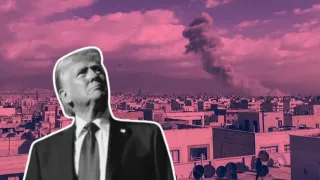
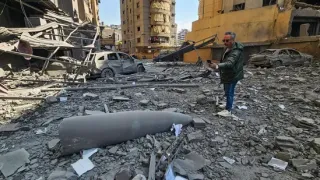
Khamenei was killed during large-scale military strikes targeting Iranian infrastructure and leadership compounds. The attacks resulted in hundreds of casualties across multiple cities and marked one of the most dramatic escalations in regional tensions in recent years.
The strikes reportedly hit key locations in Tehran and other strategic areas, triggering immediate retaliation from Iran. Missile launches and drone attacks followed, expanding the conflict into neighboring countries and raising fears of a broader regional war.
Mojtaba Khamenei and His Political Background
Mojtaba Hosseini Khamenei has long been viewed as a significant figure within Iran’s political and clerical circles. Although he has not held formal government office, he is believed to have maintained strong influence within elite religious networks and segments of the security establishment.
Over the years, Mojtaba has been associated with conservative factions and is thought to have played a behind-the-scenes role in shaping internal political strategies. His close relationship with key institutions has often placed him at the center of discussions about future leadership succession.
The reported decision to elevate him to the highest position in the country signals continuity within Iran’s ruling establishment while also opening a new phase in the country’s governance structure.
Assembly of Experts and the Succession Process
The Assembly of Experts is responsible for selecting and supervising the Supreme Leader. The body typically convenes to deliberate on candidates who possess the religious scholarship and leadership qualities required for the role.
Following the death of Ayatollah Ali Khamenei, an interim leadership arrangement reportedly took shape involving senior figures from Iran’s political and judicial institutions. This temporary framework ensured continuity of authority while discussions over permanent succession progressed.
According to reports, the Assembly ultimately reached consensus on Mojtaba Khamenei as the next leader, concluding a succession process that drew intense international attention.
Funeral Arrangements and National Mourning
Iranian authorities have announced plans for a large farewell ceremony to honor Ayatollah Ali Khamenei. The burial is expected to take place in the holy city of Mashhad, one of the country’s most revered religious centers.
Preparations for nationwide commemorations have begun, with ceremonies anticipated in major cities including Tehran. Religious institutions, political leaders and citizens are expected to participate in memorial gatherings marking the passing of one of the most influential figures in the country’s history.
The mourning period reflects both the political significance and symbolic weight of Khamenei’s leadership over more than three decades.
Conflict Intensifies Across the Middle East
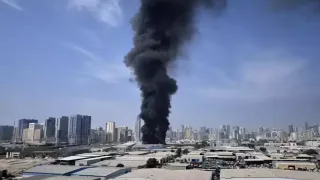
The leadership transition is unfolding against the backdrop of a rapidly escalating regional conflict. Military strikes and retaliatory attacks have expanded beyond Iran, affecting multiple countries in the Gulf and the wider Middle East.
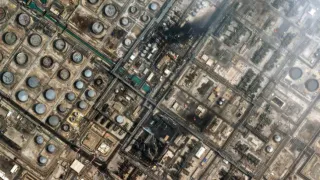
Energy infrastructure, diplomatic facilities and military bases have all become potential targets as tensions rise. Missile interceptions, drone attacks and troop movements have heightened fears of a prolonged confrontation.
The situation has also created volatility in global energy markets and shipping routes, particularly around strategic waterways that serve as major channels for international trade.
Implications for Iran’s Future
The selection of Mojtaba Khamenei as Supreme Leader could shape Iran’s domestic and foreign policies for years to come. Leadership transitions often bring shifts in strategic priorities, even when ideological continuity remains strong.
Observers are watching closely to see how the new leadership approaches negotiations, military strategy and regional diplomacy during a period of intense pressure. The country’s economic challenges, international sanctions and evolving alliances will all influence the direction of governance.
At the same time, the transition highlights the resilience of Iran’s political institutions, which are designed to maintain continuity even during moments of crisis.
Global Attention on Tehran
The developments in Tehran are being closely monitored by governments and analysts around the world. Iran plays a central role in regional geopolitics, and any change at the top of its leadership structure carries global implications.
Diplomatic channels remain active as international actors assess the impact of the transition on security dynamics in the Middle East. Energy markets, strategic alliances and military calculations may all be influenced by the direction taken by Iran’s new leadership.
As Mojtaba Khamenei reportedly assumes the role of Supreme Leader, the coming weeks will likely determine how Iran navigates both internal challenges and an increasingly complex geopolitical environment.
Also Read: Moscow Offers to Secure India Energy Amid West Asia War