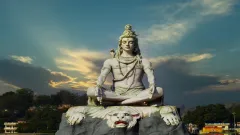
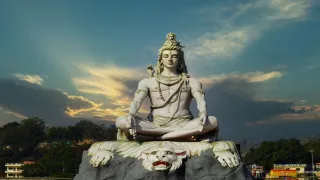
Mahashivratri is not just another festival on the Hindu calendar. It is a night that holds immense spiritual power, deep symbolism, and centuries-old faith. Celebrated with devotion, discipline, and inner reflection, Mahashivratri marks the union of faith and consciousness. In 2026, this sacred festival once again invites devotees to pause, pray, and reconnect with Lord Shiv, the Adiyogi, the destroyer of evil, and the source of transformation.
Observed annually on the Chaturdashi Tithi of Krishna Paksha in the month of Phalguna, Mahashivratri literally means 'The Great Night of Shiv.' Unlike other Hindu festivals that are celebrated with lights, sweets, and daytime rituals, Mahashivratri is observed through fasting, night-long worship, chanting, meditation, and self-discipline. It is a festival of stillness, awareness, and devotion.
Mahashivratri 2026 Date and Tithi Details
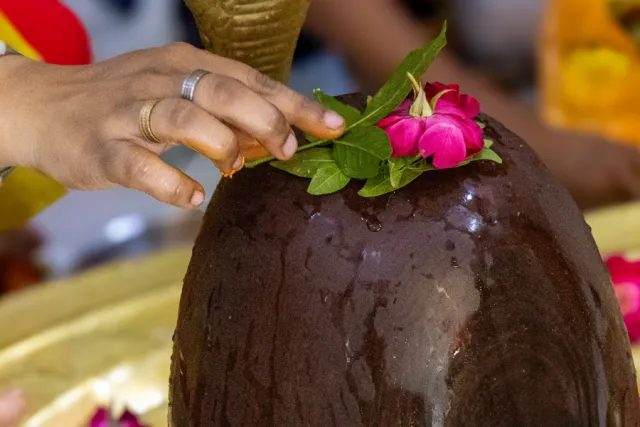
In 2026, Mahashivratri will be celebrated in the month of February with traditional fervour and religious observance.
According to the Hindu Panchang:
- Chaturdashi Tithi Begins: February 15, 2026, at 5:04 PM
- Chaturdashi Tithi Ends: February 16, 2026, at 5:34 PM
Since worship during Nishita Kaal (midnight) is considered the most auspicious for Mahashivratri, the festival will be observed on Sunday, February 15, 2026.
This timing holds great importance for devotees who observe fasts and perform night-long puja, as Nishita Kaal is believed to be the moment when divine energies are at their peak.
Nishita Kaal Puja Muhurat 2026
The Nishita Kaal is the most sacred period of Mahashivratri. It is believed that Lord Shiv is most receptive to prayers during this midnight phase.
- Nishita Kaal Puja Time: 11:55 PM to 12:56 AM (February 15-16, 2026)
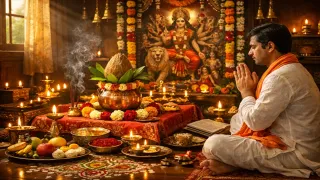
Devotees traditionally perform Abhishek of Shivling during this time using water, milk, honey, curd, ghee, and sacred offerings while chanting 'Om Namah Shivaya.'
Mahashivratri 2026 Four Prahar Puja Timings
One of the unique aspects of Mahashivratri is the four Prahar Puja, where Lord Shiv is worshipped four times during the night, each Prahar representing a different phase of spiritual awakening.
Here are the detailed four Prahar timings for Mahashivratri 2026:
- First Prahar Puja: February 15, 2026 - 6:11 PM to 9:23 PM
- Second Prahar Puja: February 15, 2026 - 9:23 PM to 12:36 AM
- Third Prahar Puja: February 15-16, 2026 - 12:36 AM to 3:47 AM
- Fourth Prahar Puja: February 16, 2026 - 3:47 AM to 6:59 AM
Each Prahar has its own ritual significance, and devotees who stay awake all night experience the spiritual discipline known as Jagran, which symbolises conquering darkness and ignorance.
Mahashivratri 2026 Vrat Paran Time
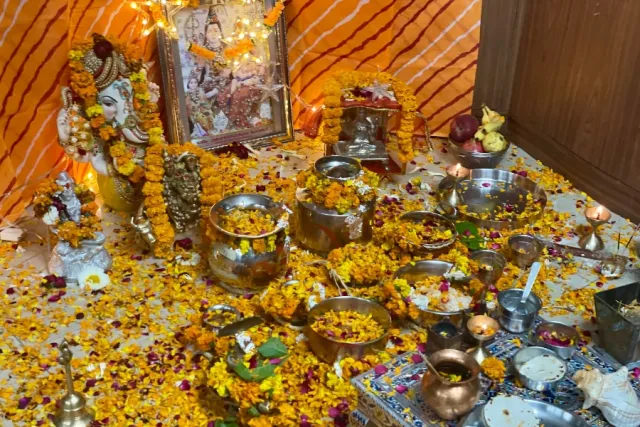
Breaking the fast at the right time is considered essential for those observing the Mahashivratri vrat.
- Vrat Paran (Fast Breaking) Time: February 16, 2026 - between 6:42 AM and 3:10 PM
Devotees are advised to complete the paran only after sunrise and after performing morning puja, ensuring spiritual completeness of the vrat.
Mahashivratri Fasting Rules and Vrat Vidhi
Mahashivratri fasting is not merely about abstaining from food. It is a spiritual discipline that focuses on the purification of body, mind, and soul.
Types of Fasting Observed on Mahashivratri
Nirjala Vrat
The strictest form of fasting is where devotees abstain from both food and water for 24 hours.
Phalahar Vrat
Consumption of fruits, milk, and water is allowed. This is commonly observed by elderly devotees and those unable to perform the Nirjala vrat.
Partial Fasting
Some devotees eat once a day and focus more on prayers and chanting.
General Vrat Rules
- Wake up early during Brahma Muhurat
- Take a bath and wear clean clothes
- Maintain purity of thoughts and actions
- Avoid grains, onions, garlic, and tamasic food
- Chant Shiv mantras throughout the day
- Stay awake during the night (Jagran) if possible
Fasting on Mahashivratri is believed to help control desires, cleanse karmic burdens, and invite divine grace.
Rituals Performed on Mahashivratri
The rituals of Mahashivratri are simple yet deeply symbolic. They reflect surrender, devotion, and gratitude toward Lord Shiv.
Shivling Abhishek
The ritual bathing of Shivling is central to Mahashivratri worship. Each offering has a spiritual meaning:
- Water: Purification of soul
- Milk: Purity and devotion
- Honey: Sweetness in life
- Curd: Prosperity
- Ghee: Strength and victory
- Bel Patra: Surrender and divine grace
Mantra Chanting
Devotees chant powerful mantras like:
- Om Namah Shivaya
- Maha Mrityunjaya Mantra
- Shiv Tandav Stotram
These chants are believed to calm the mind, remove negativity, and create spiritual awakening.
Night-long Vigil (Jagran)
Staying awake all night symbolises awareness and victory over ignorance. Many devotees spend the night in temples singing bhajans, meditating, and listening to Shiv katha.
Spiritual Significance of Mahashivratri
Mahashivratri carries layers of meaning beyond rituals and fasting. It is a night dedicated to inner transformation.
Lord Shiv’s Cosmic Tandava
According to one legend, Lord Shiv performed the cosmic Tandava dance on Mahashivratri, symbolising creation, preservation, and destruction. This dance represents the rhythm of the universe.
Divine Marriage of Shiv and Parvati
Another widely believed legend states that Mahashivratri marks the sacred marriage of Lord Shiv and Goddess Parvati. This union symbolises balance between consciousness (Shiv) and energy (Shakti).
Emergence of Shivling
It is also believed that on this night, Lord Shiv manifested as a Jyotirlinga, an infinite pillar of light, representing the formless and eternal nature of divinity.
Why Mahashivratri Is Different From Other Festivals?
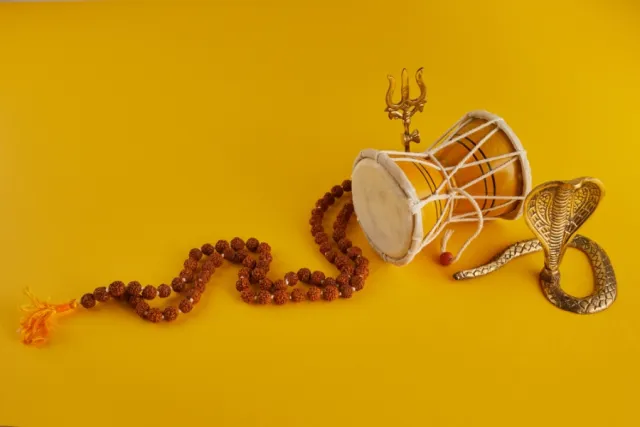
Unlike most Hindu festivals celebrated with daytime joy, Mahashivratri is observed at night through silence, meditation, and self-control, emphasising inner awakening over external celebration, discipline over indulgence, and consciousness over routine worship, which makes this sacred night deeply personal and transformative for devotees.
Devotees believe that sincere observance of Mahashivratri brings mental peace and emotional balance, gives strength to overcome fear and suffering, promotes harmony in married and family life, helps in the fulfillment of wishes, and leads to spiritual growth and inner clarity, and it is said that even a single night of devoted worship on Mahashivratri can wash away years of negative karma.
Mahashivratri is not just about rituals or traditions; it is about aligning oneself with higher consciousness. In today’s fast-paced life, this sacred night reminds us to slow down, look inward, and reconnect with timeless values.
As Mahashivratri 2026 approaches on February 15, devotees across India and the world will once again chant the name of Lord Shiv, observe fasts, and stay awake in devotion. Whether you follow every ritual or simply sit in silent prayer, the essence of Mahashivratri lies in sincerity, faith, and inner awareness.
May this Mahashivratri bring peace to your mind, strength to your spirit, and divine blessings into your life.
Har Har Mahadev.