Image Source: X
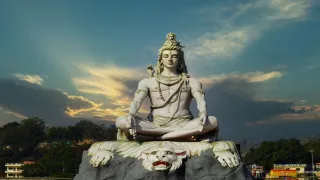
Mahashivratri, revered as “The Great Night of Shiva,” is among the most profound and spiritually significant festivals in Hindu tradition. Dedicated to Lord Shiva, the festival symbolizes the victory of light over darkness, awareness over ignorance, and stillness over restlessness. In 2026, Mahashivratri will be observed on Sunday, February 15, drawing millions of devotees into prayer, fasting, and night-long worship.
Unlike many other Hindu celebrations marked by festivities and feasting, Mahashivratri is deeply introspective. It is a sacred occasion centered on meditation, self-discipline, and inner purification. Devotees believe that sincere prayers offered on this night bring clarity of mind, emotional balance, and spiritual progress.
Mahashivratri 2026: Date and Tithi Timings
- Chaturdashi Tithi Begins: February 15, 2026 - 05:04 PM
- Chaturdashi Tithi Ends: February 16, 2026 - 05:34 PM
The night of Chaturdashi is considered especially auspicious for Shiva worship, as it is believed to amplify spiritual vibrations.
Nishita Kaal Muhurat (Most Sacred Time)
- 12:09 AM - 01:01 AM (February 16, 2026)
This midnight period holds exceptional importance. Many devotees perform Shiva Puja and Rudrabhishek during Nishita Kaal, believing it to be the most powerful window for receiving divine blessings.
Four Prahar Puja Timings
Traditional observances divide the night into four Prahars (phases), each ideal for prayer and offerings:
- First Prahar: 06:11 PM - 09:23 PM
- Second Prahar: 09:23 PM - 12:35 AM
- Third Prahar: 12:35 AM - 03:47 AM
- Fourth Prahar: 03:47 AM - 06:59 AM
Performing rituals across all four Prahars is believed to enhance spiritual merit.
Image Source: X
Spiritual Meaning of Mahashivratri
Mahashivratri is associated with multiple sacred legends. Some traditions mark it as the night Shiva manifested as the infinite Jyotirlinga, representing boundless cosmic energy. Others celebrate it as the divine union of Shiva and Goddess Parvati, symbolizing harmony between consciousness and nature.
On a deeper level, the festival encourages:
- Mastery over desires
- Mental purification
- Awakening of higher awareness
- Detachment from negativity
It is viewed as an opportunity to reset the mind and realign with one’s spiritual path.
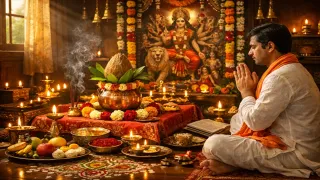
Simple Puja Vidhi (Ritual Guide)
Devotees often follow a traditional worship sequence:
- Begin the day with a cleansing bath
- Wear clean or light-colored clothing
- Purify the prayer space
- Perform Abhishek with water, milk, curd, honey, and ghee
- Offer Bel Patra, flowers, and sandalwood
- Chant “Om Namah Shivaya” with focus and devotion
- Conclude with aarti or devotional hymns
Even simple, heartfelt worship is considered meaningful.
Importance of Rudrabhishek
Image Source: X
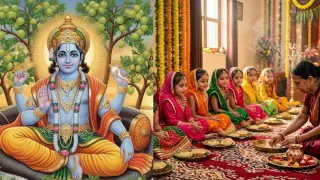
Rudrabhishek is a revered ritual involving the ceremonial bathing of the Shivling accompanied by Vedic chants. Devotees believe it promotes peace, dissolves stress, and attracts positive energy.
Fasting and Self-Discipline
Many observers undertake fasting as a form of purification. Whether through fruits, milk, or complete abstinence, the essence of the vrat lies in maintaining calmness, mindfulness, and restraint.
Conclusion
Mahashivratri is not merely a festival but a spiritual journey. It invites devotees to pause, reflect, and connect with the stillness within. Through prayer, meditation, and devotion, the night becomes a gateway to inner transformation, peace, and divine grace.
Also Read: Mahashivratri 2026: Puja Samagri List, Date & Muhurat