India is witnessing a growing energy challenge as disruptions in global fuel supply chains begin to impact the availability of liquefied natural gas and commercial LPG across several major cities. The shortage has started affecting restaurants, hotels, transport operators and other commercial users who depend heavily on LPG cylinders and natural gas for daily operations. What initially appeared to be a temporary logistical issue has rapidly expanded into a wider concern for industries and small businesses.
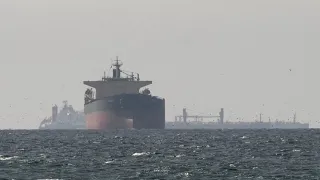
The tightening supply situation comes amid geopolitical tensions in West Asia, which have begun influencing global energy markets and supply routes. As LNG shipments slow and global availability tightens, the ripple effect is being felt across Indian cities where commercial LPG demand remains extremely high. Several sectors have already reported disruptions, with restaurant kitchens, hospitality establishments and transport networks facing immediate challenges.
In response to the situation, the Union government has stepped in with emergency measures to prioritise fuel availability for households and essential services. Authorities are attempting to manage the shortage carefully while preventing panic buying and ensuring that domestic consumers do not face severe disruptions.
Government Invokes Essential Commodities Act to Stabilise Supplies
The Union government has invoked provisions under the Essential Commodities Act, 1955, to manage the emerging fuel shortage. Through this step, authorities have begun reallocating gas supplies across sectors in order to prioritise essential uses such as domestic cooking gas, piped natural gas for homes and compressed natural gas for transport.
Under the revised allocation strategy, industries including fertiliser manufacturing, milk processing and other commercial operations are facing reductions in their gas supply. The objective is to ensure that households continue receiving LPG cylinders and piped gas without disruption even as global supply chains face uncertainty.
Officials say the decision was necessary to maintain stability in the energy market and prevent a sudden shortage from affecting millions of households. While industries may temporarily face restrictions, authorities believe prioritising domestic consumption is essential during periods of supply uncertainty.
High Level Government Meetings Assess Energy Security
The evolving situation prompted urgent consultations at the highest levels of government. Prime Minister Narendra Modi held discussions with petroleum minister Hardeep Singh Puri and external affairs minister Subrahmanyam Jaishankar to evaluate the geopolitical developments and their potential impact on India's energy security.
During the meeting, officials reviewed the supply outlook for LNG imports and discussed alternative sourcing strategies from countries such as Canada and Australia. These efforts are aimed at offsetting supply disruptions caused by outages in key exporting nations.
The prime minister also asked ministers to closely monitor developments within their respective sectors and coordinate with stakeholders to prevent panic among the public. The government has stressed that the priority remains ensuring uninterrupted energy supply to households.
Industrial Gas Supply Cut Across Several States
Several state governments have already begun implementing restrictions on gas supply to industries in order to support the national prioritisation strategy. In Gujarat, authorities announced that industrial gas supplies have been reduced by around fifty percent as part of the emergency measures.
Key sectors such as fertiliser manufacturing and milk processing units are facing reductions of approximately forty percent in their gas allocation. Officials say these cuts are temporary but necessary to maintain adequate supplies for domestic consumers and transport services.
Industry groups have expressed concerns about the potential impact on production levels and supply chains. However, government officials maintain that these measures are essential to maintain energy stability during the current period of global uncertainty.
Restaurants in Bengaluru Among the First to Feel the Impact
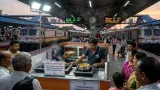
The shortage has already started affecting restaurants and eateries in Bengaluru, where several establishments have reported delays in receiving commercial LPG cylinders. Many kitchens have not received new cylinder deliveries for two consecutive days, forcing operators to rethink how they manage their cooking operations.
As a result, many eateries have begun trimming their menus in order to conserve gas. Gas intensive dishes that require long cooking times or high heat have temporarily been removed from menus. Items such as pooris and vadas are among the first to be affected as they require continuous heating of oil.
Restaurants are instead prioritising dishes that require less cooking time or lower gas consumption, including idli, dosa and standard meal preparations. Some establishments have even shut down part of their burners to stretch the remaining fuel stock.
Commercial LPG Prices Rise Sharply
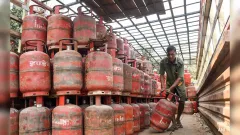
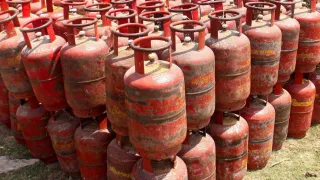
The tightening supply situation has also resulted in a sharp increase in commercial LPG prices. The price of a nineteen kilogram cylinder has climbed to around Rs 1900 after multiple revisions during the month of March.
This increase has placed additional financial pressure on small restaurants and food vendors who already operate with thin profit margins. For many establishments, the combination of rising fuel costs and irregular supply is becoming increasingly difficult to manage.
Industry representatives say that if the situation continues for an extended period, many smaller eateries may struggle to remain operational.
Restaurants in Chennai Face Temporary Closures
In Chennai, the shortage has forced several small eateries to temporarily shut down operations due to delays in commercial cylinder deliveries. Restaurant owners report that their kitchens are running low on fuel and replacement cylinders are not arriving on schedule.
Many traditional dishes prepared in these establishments require slow cooking processes that consume significant amounts of gas. Without regular cylinder supply, maintaining normal operations has become extremely difficult.
Restaurant associations have reached out to both central and state authorities requesting urgent intervention to restore stable LPG deliveries. They warn that prolonged disruptions could affect thousands of establishments in the city.
Mumbai Hospitality Sector Scales Back Operations
The hospitality sector in Mumbai has also been affected by the shortage. Several restaurants and hotels have begun scaling back their operations due to limited access to commercial cooking gas.
Industry bodies estimate that nearly twenty percent of eateries in the region are already fully or partially shut because of LPG shortages. If the supply situation does not improve soon, as many as fifty to sixty percent of establishments could temporarily close.
High flame dishes such as Chinese cuisine and tawa based recipes are among the first items to be removed from restaurant menus because they require intensive fuel consumption.
Pune and Other Cities Experience Similar Challenges
The shortage has also reached Pune, where nearly one hundred eateries out of around twelve hundred establishments have already been affected. Several restaurants are operating with limited menus while others have temporarily closed their kitchens due to lack of gas cylinders.
Industry insiders have also raised concerns about black marketing of commercial cylinders. Reports indicate that some operators are being asked to pay nearly double the normal price for LPG cylinders due to the limited supply.
This trend is being closely monitored by authorities who are attempting to prevent illegal diversion of fuel meant for commercial use.
Hotels Across Central India Explore Alternative Cooking Methods
Hotels in cities such as Bhopal, Indore, Gwalior and Jabalpur have begun exploring alternative cooking solutions as the LPG shortage disrupts their operations. Many establishments are considering electric cooking systems as a temporary solution.
However, shifting to electric cooking equipment is not an easy transition for many kitchens. Commercial kitchens are typically designed around gas based cooking systems and may require significant modifications to adopt alternative technologies.
Hotel associations have held urgent meetings to discuss contingency plans as many establishments currently have fuel stocks that may last only a few days.
Southern States Prepare for Possible Disruptions
Restaurants in Telangana, particularly in Hyderabad, are also preparing for possible disruptions as gas dealers begin limiting the number of cylinders supplied to commercial customers. Industry groups warn that more than sixty percent of eateries could face closure if deliveries remain delayed.
The timing of the shortage has created additional pressure because restaurants are experiencing increased demand during the festive season with special iftar menus attracting large late night crowds.
Similarly, restaurants and hotels in Kerala cities such as Kochi and Thiruvananthapuram are experiencing declining LPG stocks. Distribution agencies have slowed deliveries, leaving thousands of establishments worried about maintaining operations.
Panic Buying and Black Market Activity Reported
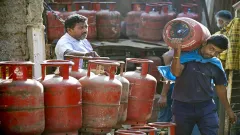
In Kolkata, fears of supply shortages have triggered a surge in LPG cylinder bookings. Within just forty eight hours, bookings with Indian Oil Corporation increased dramatically from around two and a half lakh to nearly six lakh cylinders.
When combined with bookings from Bharat Petroleum Corporation Limited and Hindustan Petroleum Corporation Limited, the total demand surged to more than seven and a half lakh cylinders within a short period. This spike significantly exceeds the state's normal daily demand levels.
Authorities believe the sudden increase in bookings may also be encouraging illegal diversion of cylinders into the black market. Some cylinders originally intended for beneficiaries of the Pradhan Mantri Ujjwala Yojana are reportedly being resold at higher prices.
Transport Sector Also Impacted by Fuel Shortage
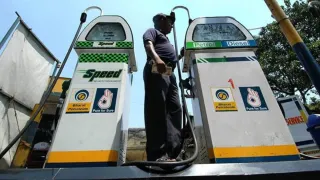
The LPG shortage has also affected urban transport systems in some cities. Auto LPG scarcity has resulted in long queues at fuel pumps and reduced availability of auto rickshaws on several routes.
Operators estimate that nearly thirty percent of auto rickshaws in certain areas have temporarily stopped operating due to limited fuel availability. This has created additional challenges for daily commuters.
Meanwhile, some roadside eateries have turned to coal fired stoves to keep their kitchens running. This shift has caused a sudden increase in coal demand in several urban markets.
Energy Supply Stability Remains a Key Concern
The current LNG and LPG shortage highlights the vulnerability of global energy supply chains during periods of geopolitical instability. As India continues to rely on imported fuel to meet a portion of its energy needs, disruptions in major exporting regions can quickly affect domestic markets.
Government officials remain focused on securing alternative LNG shipments and stabilising supply lines in the coming weeks. Industry stakeholders are hopeful that improved global supply conditions and government intervention will gradually ease the shortage.
Until then, restaurants, hotels, industries and transport operators across the country are adjusting their operations while authorities work to ensure that essential household fuel supplies remain protected.
Reources:
Also Read: Who Is Harish Rana: Man in Vegetative State Allowed to Die