Iran has entered a volatile phase as nationwide protests swell into the largest anti-government movement seen in recent weeks. What began as economic frustration has now transformed into a direct confrontation between ordinary citizens and the country’s clerical leadership. Streets across major cities have filled with demonstrators demanding accountability, relief from soaring prices, and an end to economic mismanagement that has pushed many families to the brink.
The protests, which first erupted in late December with a shutdown of Tehran’s historic Bazaar, have steadily expanded in scale and intensity. As markets closed and crowds gathered, the state responded with crackdowns, arrests, and communication restrictions. The situation escalated sharply after authorities imposed a nationwide internet blackout, further fueling anger and suspicion among protesters who view the move as an attempt to silence dissent.
With mounting fatalities, widespread arrests, and international attention growing, Iran now finds itself facing one of its most challenging internal crises in years. The unrest reflects not just short-term outrage, but deeper structural grievances tied to inflation, currency collapse, and a widening gap between the ruling establishment and the public.
Economic collapse at the heart of the unrest
At the core of the protests lies Iran’s faltering economy, which has been under severe strain for years. A rapidly declining rial, persistent inflation, and shrinking purchasing power have eroded living standards for millions. For many Iranians, basic necessities have become increasingly unaffordable, turning everyday survival into a struggle.
Shopkeepers, workers, students, and retirees have all joined the demonstrations, reflecting how deeply economic pain cuts across society. The closure of bazaars, traditionally a powerful symbol of protest in Iran, underscored the seriousness of the discontent. Protesters have framed their anger not just as economic frustration, but as a rejection of policies they believe have failed to protect ordinary citizens.
Massive rallies grip Tehran and other cities
Visuals emerging from Tehran showed enormous crowds flooding major roads and public spaces, chanting slogans against the leadership. One of the largest gatherings was reported along a prominent boulevard in northwest Tehran, where a sea of people marched despite a heavy security presence. Similar scenes were reported from cities such as Abadan and Mashhad.
Demonstrations were not limited to the capital. Reports indicated coordinated protests across dozens of cities, revealing the breadth of the movement. In some areas, protesters allegedly clashed with security forces, while unverified claims circulated online about government buildings being damaged during overnight demonstrations.
Protests spread across provinces and ethnic regions
According to rights groups, protests were recorded in at least 46 cities spanning 21 provinces. Kurdish-majority regions played a significant role, with widespread market shutdowns reported in Kurdistan, West Azerbaijan, Kermanshah, and Ilam. These regions have long expressed grievances over economic neglect and political marginalization.
The geographic spread of the unrest highlights how the crisis extends beyond isolated urban centers. Rural towns and peripheral provinces have joined the movement, signaling a nationwide rejection of the status quo rather than a localized uprising.
Rising death toll and sweeping arrests
The escalating crackdown has resulted in a growing number of casualties. Human rights organizations reported that dozens of people have been killed since the protests began, including civilians, security personnel, and minors. The inclusion of children and adolescents among the victims has intensified public outrage.
Arrests have surged as authorities attempt to regain control. More than two thousand people have reportedly been detained, including students and teenagers. Allegations of forced confessions aired on state media have further inflamed tensions, with families fearing for the safety and rights of those taken into custody.
Nationwide internet blackout deepens crisis
One of the most controversial steps taken by authorities was the imposition of a nationwide internet shutdown. Digital monitoring groups indicated that connectivity across the country dropped sharply, disrupting communication at a critical moment. Protesters and activists argue that the blackout was designed to prevent coordination and limit the flow of information.
The loss of internet access affected not only protesters but also businesses, hospitals, and families trying to stay connected. Many Iranians viewed the move as collective punishment, deepening mistrust toward the government and reinforcing perceptions of an authoritarian response to dissent.
Exiled prince and international reactions
The internet blockade drew condemnation from exiled Iranian figures, including the country’s former crown prince, who accused authorities of attempting to gag the population. He urged global leaders to take a stronger stance in support of the Iranian people and to hold the ruling establishment accountable for violence and repression.
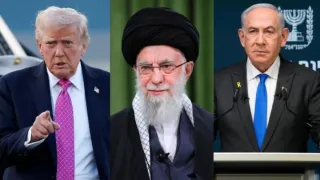
International reactions intensified as the protests grew. Statements from foreign leaders warned Tehran against using lethal force and emphasized that further violence could trigger serious consequences. These remarks added a geopolitical dimension to an already fragile domestic situation.
A nation at a crossroads
As protests continue, Iran faces an uncertain future. The combination of economic hardship, political frustration, and aggressive state response has created a combustible environment. For many citizens, the demonstrations represent a breaking point after years of hardship and unfulfilled promises.
Whether the unrest leads to meaningful reform or further repression remains unclear. What is evident, however, is that the current wave of protests reflects deep-rooted grievances that cannot be resolved through force alone. Iran now stands at a crossroads, with its leadership facing mounting pressure both at home and abroad.
Also Read: Whats Stopping Vijays Film 6 Theories Around Jana Nayagan