The escalating tensions in the Middle East continue to dominate global diplomatic discussions, with several countries closely monitoring the evolving situation. As military confrontations and retaliatory actions reshape the regional security landscape, governments around the world are engaging in urgent consultations to prevent further instability and safeguard economic and energy interests.
India has been actively involved in diplomatic dialogue with key nations in the region, including Iran, as part of its effort to maintain regional stability and ensure the safety of international shipping and energy supplies. Recent developments have triggered fresh discussions between senior officials, highlighting the importance of coordinated global responses.
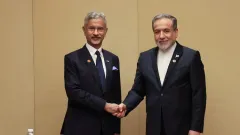
Against this backdrop, Iran’s Foreign Minister Abbas Araghchi held another phone conversation with India’s External Affairs Minister S Jaishankar. The discussion focused on the ongoing Middle East crisis, the geopolitical implications of the conflict, and the need for stronger cooperation among major emerging economies such as the Brics nations.
Iran Foreign Minister Calls S Jaishankar Again
Iran’s Foreign Minister Abbas Araghchi recently held a fresh round of discussions with India’s External Affairs Minister S Jaishankar as tensions continue to rise across the Middle East. The phone call marked the fourth conversation between the two leaders since the conflict intensified following military strikes involving the United States and Israel.
The discussion highlighted the growing diplomatic engagement between India and Iran during a period of heightened geopolitical uncertainty. Officials indicated that both leaders exchanged views on the rapidly changing situation in West Asia and its broader impact on global stability and international relations.
The latest call underscores the importance of continued diplomatic communication between countries affected by the ongoing crisis. Both sides emphasized the need for dialogue and coordination in addressing the challenges posed by the conflict.
Iran Briefs India On Latest War Developments
During the conversation, Araghchi briefed the Indian External Affairs Minister on the latest developments related to the conflict. According to the Iranian side, the foreign minister described the recent attacks carried out by the United States and Israel and discussed their consequences for regional and global security.
Tehran stated that the strikes have significantly escalated tensions across the Middle East and created uncertainty for neighboring countries and international stakeholders. The Iranian leadership has repeatedly expressed concerns about the broader implications of the conflict for political stability and economic conditions in the region.
Iran also reiterated its position regarding the unfolding situation, stating that the country intends to defend its sovereignty and security. Officials emphasized what they described as Iran’s legitimate right to respond to military aggression and protect national interests.
Tehran Stresses Right Of Self Defence
Iranian authorities used the conversation to reaffirm their stance that the country is acting within its rights to defend itself against what it considers military aggression. The Iranian readout of the call stated that the government, the people and the armed forces remain determined to exercise what they describe as their legitimate right of self defence.
According to Iranian officials, the attacks carried out against the country have had significant consequences for regional peace and stability. Tehran argues that such actions violate international principles and have contributed to the escalation of tensions in West Asia.
The Iranian foreign minister also called on global and regional organisations to condemn what Iran described as military aggression. Tehran believes that international institutions must play a stronger role in preventing further escalation and protecting the rules based global order.
Fourth Conversation Since Start Of Conflict
The latest phone call represents the fourth time Araghchi and Jaishankar have spoken since the crisis began earlier this year. Diplomatic engagement between the two countries intensified after the United States and Israel launched military strikes on Iran on February 18.
Following the attacks, Tehran carried out retaliatory operations, further escalating tensions across the Middle East. The conflict has since drawn international attention due to its potential impact on global security, energy markets and international trade routes.
Both ministers have maintained regular communication to discuss developments related to the conflict. Their previous conversations also focused on the humanitarian consequences of the war and the security implications for the wider region.
India Highlights Importance Of Cooperation
India’s External Affairs Minister S Jaishankar confirmed the conversation and noted that both sides discussed a range of bilateral and multilateral issues. He indicated that the talks covered not only the evolving conflict but also matters related to cooperation among major international groupings.
India has consistently emphasized the importance of diplomatic dialogue and multilateral cooperation in resolving international disputes. New Delhi has also called for efforts to ensure lasting peace and stability in the Middle East, a region that remains crucial for global energy supplies and trade.
During the discussion, Jaishankar reiterated India’s willingness to expand cooperation with Iran in various regional and international forums. Both sides agreed to maintain communication as the situation continues to evolve.
Iran Calls For Stronger Role For Brics Nations
One of the key points raised by the Iranian foreign minister during the call was the importance of greater cooperation among Brics countries. Tehran believes that the grouping of emerging economies can play a stronger role in promoting global stability and addressing international crises.
Iran emphasized that Brics nations possess significant political and economic influence that could help shape global responses to conflicts and geopolitical challenges. According to Tehran, deeper collaboration within the group could contribute to a more balanced and stable international order.
The discussion reflects growing attention on the role of emerging economies in addressing global security concerns and fostering diplomatic solutions to complex international disputes.
Impact Of Middle East Crisis On Global Energy Markets
The conflict in West Asia has already begun to affect global energy markets. Rising tensions in the region have triggered volatility in oil and gas prices, with investors closely monitoring developments around critical shipping routes.
The Strait of Hormuz has emerged as a major focal point in the crisis. This narrow maritime passage connects the Persian Gulf with the Gulf of Oman and serves as one of the most important routes for global oil and liquefied natural gas shipments.
A significant portion of the world’s energy supply passes through this corridor each day. Any disruption in the strait can therefore have immediate consequences for global energy prices and supply chains.
Concerns Over Shipping And Maritime Security
The ongoing conflict has also raised concerns about the safety of commercial vessels operating in the Persian Gulf region. Several governments and shipping companies are monitoring the situation closely as tensions continue to affect maritime traffic.
India, which imports a large share of its crude oil from the Middle East, has a strong interest in ensuring the safety of energy shipments passing through the Strait of Hormuz. Officials are working to maintain communication with regional partners to prevent disruptions to shipping routes.
The stability of maritime corridors is considered essential not only for energy security but also for maintaining the smooth flow of global trade.
India Engages Iran On Safe Passage For Tankers
Amid rising tensions, reports suggest that India has been engaged in discussions with Iranian authorities regarding the safe passage of oil and gas tankers through the Strait of Hormuz. These negotiations are being handled by the Ministry of External Affairs as part of broader diplomatic efforts.
Officials are working to ensure that vessels carrying energy supplies can move safely through the region despite the ongoing conflict. Protecting shipping routes has become a priority for many countries that rely heavily on energy imports from the Middle East.
The continued dialogue between India and Iran reflects the importance of diplomatic engagement during times of crisis. Both nations appear committed to maintaining communication and cooperation while monitoring developments in the rapidly evolving geopolitical landscape.
Also Read: Domestic LPG Production Up 30 Percent No Need To Panic Book