Iran is witnessing a fresh wave of nationwide unrest as protests driven by economic hardship, inflation, and currency collapse spread rapidly across multiple cities. What began as demonstrations by shopkeepers and traders has now evolved into a broader movement questioning the country’s political and religious power structure. The scale and intensity of the protests mark the most serious challenge to the Iranian establishment in nearly three years.
The demonstrations have gained particular attention due to their expansion into Qom, a city considered the ideological heart of Iran’s clerical system. Protesters chanting slogans against the ruling theocracy in such a stronghold have sent shockwaves through the political establishment and intensified global scrutiny.
As clashes between protesters and security forces escalate, the situation has drawn sharp international reactions, including a dramatic warning from former US President Donald Trump. With deaths reported and live ammunition allegedly used against demonstrators, Iran finds itself at a critical crossroads.
Protests Spread Across Iran Including Clerical Stronghold Qom
The protests, initially concentrated in major urban centers, have now spread to several new cities across Iran. One of the most striking developments has been the emergence of demonstrations in Qom, long regarded as the backbone of Iran’s religious and political ideology. Protesters in the city openly called for the removal of the theocratic system, a rare and symbolic challenge to clerical authority.
The spread of unrest beyond traditional protest hubs suggests a widening base of dissatisfaction. Demonstrators from diverse backgrounds, including merchants, students, and working professionals, have taken to the streets, indicating that economic frustration has crossed social and geographic boundaries.
Observers say the expansion into Qom reflects a shift in public sentiment, where economic despair has begun to outweigh long-standing political fear.
Economic Crisis Fuels Public Anger
The immediate trigger for the protests was Iran’s worsening economic situation. A sharp fall in the national currency, the rial, coupled with soaring prices of essential goods, has severely impacted daily life. Shopkeepers and bazaar traders were among the first to protest, shutting down major markets in response to declining purchasing power and shrinking profits.
Iran’s currency has reportedly lost more than a third of its value against the US dollar over the past year. With inflation remaining in double digits for several years, many Iranians say they can no longer afford basic necessities, leading to mounting public anger.
University students also joined the demonstrations, highlighting growing frustration among the younger population over limited economic opportunities and an uncertain future.
Clashes With Security Forces Turn Deadly
The protests have turned violent in several cities as security forces attempted to disperse crowds. According to official statements, at least seven people have been killed during clashes between demonstrators and security personnel. Authorities have acknowledged casualties but dispute accounts circulating on social media.
Reports indicate that live ammunition was used in cities such as Nurabad in Lorestan province and Hamadan in western Iran. Videos shared online appear to show security forces firing at protesters who refused to leave the streets despite warnings and crackdowns.
The Islamic Revolutionary Guards Corps stated that one member of its affiliated Basij paramilitary force was killed, with several others injured. Officials accused protesters of exploiting the unrest, further escalating tensions.
Anti-Theocracy and Pro-Monarchy Slogans Emerge
While economic grievances sparked the demonstrations, political slogans have increasingly dominated the protests. Chanting against the ruling theocratic system has become more common, particularly in cities previously seen as loyal to the establishment.
For the first time in decades, pro-monarchy slogans reportedly featured prominently, signaling nostalgia among some protesters for Iran’s pre-revolution era. Analysts say this shift reflects growing disillusionment with the current system rather than unified support for an alternative political model.
The emergence of such slogans underscores the depth of public dissatisfaction and the erosion of fear that has traditionally restrained open political dissent.
Donald Trump Issues Stark Warning to Iran
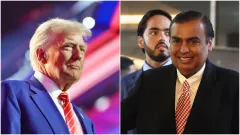
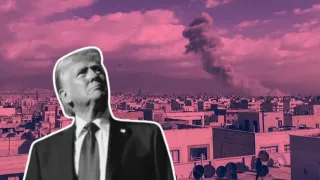
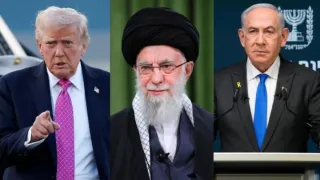
The protests have drawn a strong reaction from former US President Donald Trump, who issued a public warning to Iranian authorities. He stated that if peaceful protesters are shot at or violently killed, the United States would come to their rescue.
Trump’s comments, made on social media, included language suggesting military readiness, adding an international dimension to the crisis. His remarks have heightened tensions and fueled speculation about potential foreign involvement or diplomatic escalation.
Iranian officials have dismissed external warnings, accusing foreign powers of interfering in internal affairs. However, the statement has intensified global attention on how the protests are being handled.
Support From Exiled Opposition Figures
Iran’s exiled prince Reza Pahlavi publicly praised protesters across the country, calling those killed in recent demonstrations “true heroes of this land.” He urged Iranians to remain united and continue demanding what he described as national freedom.
Pahlavi’s remarks have resonated among segments of the diaspora and some protesters inside Iran. While his influence within the country remains debated, his statements have added symbolic weight to the unrest.
The involvement of exiled figures highlights the growing international and ideological dimensions of the protests.
Government Response and Limited Options
Iran’s civilian government, led by President Masoud Pezeshkian, has attempted to signal openness to dialogue. Officials have expressed concern over economic conditions and acknowledged public frustration.
However, the government’s ability to act is constrained by the rapidly weakening rial and broader structural challenges. With one US dollar reportedly costing around 1.4 million rials, economic stabilization remains a daunting task.
Critics argue that without significant reforms, gestures of engagement will fail to calm public anger.
Iran at a Critical Juncture
The current wave of protests represents more than a response to inflation and currency collapse. It reflects a deeper crisis of confidence in governance, economic management, and political legitimacy.
As demonstrations spread to ideologically significant cities and slogans challenge the foundations of the system, Iran faces mounting pressure both domestically and internationally. The coming days will likely determine whether the unrest subsides through reform and dialogue or escalates into a broader confrontation.
For now, the protests stand as a powerful expression of public frustration, marking a pivotal moment in Iran’s recent history.
Also Read: Modi Govt Failed on Clean Water and Air: Kharge Attacks