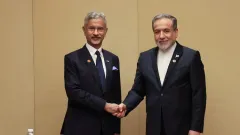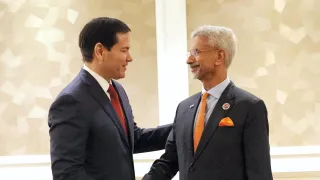
The growing anticipation around a potential India-US trade deal has once again captured national attention, especially after Foreign Minister S Jaishankar’s carefully worded and “extremely judicious” remarks at the HT Leadership Summit. His statement has sparked debates within policy circles, trade analysts, and diplomatic observers, all eager to decode whether a breakthrough is finally within reach. The possibility of a major shift in global trade equations is making this conversation even more compelling.
Jaishankar’s comments come at a time when both nations continue to expand their strategic partnership across defence, technology, innovation, and security. Amid this deepening engagement, trade has remained one of the most challenging but crucial pillars. The foreign minister’s balanced response — neither overly optimistic nor dismissive — has intensified the curiosity surrounding the negotiations. Many believe that a carefully structured deal could reshape economic cooperation for the next decade.
However, with diplomatic negotiations often evolving unpredictably, experts note that even a well-aligned discussion can shift rapidly. Jaishankar’s advisory of being cautious yet hopeful reflects the delicate balancing act India maintains: protecting domestic interests while exploring economic opportunities with Washington. His approach highlights the complexity of the potential agreement and the sensitivity of sectors involved in the discussion.
Jaishankar’s Judicious Position on the Trade Deal
During the summit, Jaishankar asserted that India must remain firm and mindful of its interests, particularly those of workers, farmers, and the middle class. He acknowledged that both nations have their priorities and limits, but also suggested that a mutually acceptable “landing point” may indeed be possible. According to him, trade continues to be a defining factor in the bilateral relationship, deserving cautious and sustained dialogue.
He insisted that there is no lapse in communication between New Delhi and Washington, adding that consistent engagement is essential to resolving differences. Trade disputes, tariff concerns, and market access remain the most discussed issues, yet Jaishankar sounded confident that the two sides can reach a reasonable agreement. His call for being “extremely judicious” with India’s negotiating position reinforces the importance of safeguarding national interests.
While he agreed that a deal could happen soon, he refused to provide a concrete timeline. Diplomatic negotiations, he noted, often progress through multiple rounds with sudden shifts, sometimes even within a single weekend. The unpredictability of global diplomacy continues to shape the pace and direction of ongoing discussions.
Why the India-US Trade Talks Matter Now
The India-US relationship has significantly diversified in the past decade, with collaborations ranging from defence and cybersecurity to space and critical technologies. Yet, trade has remained a challenging frontier due to divergent domestic priorities. The current round of discussions gains importance as both nations are aiming to strengthen supply chain resilience and reduce dependency on geopolitical rivals.
For India, expanding economic cooperation with the US opens new avenues for exports, investments, and technology partnerships. However, protecting sensitive domestic sectors is equally crucial. This balancing act has often shaped India’s approach in global trade negotiations, making the present talks especially significant.
The US, on the other hand, seeks greater access to India’s massive consumer market. As the world’s fastest-growing major economy, India presents an attractive opportunity for American businesses and agriculture. This is one of the reasons negotiations have remained intense and layered with complexities.
Key Sticking Points in the Trade Negotiations
The most challenging aspects of the India-US trade discussion revolve around market access in agriculture, particularly dairy, poultry, and genetically modified crops. India has consistently opposed opening its vulnerable dairy sector to foreign companies, as millions of small and landless farmers depend on dairy income for livelihood stability. Any major policy shift could significantly affect rural economies.
Another major concern for India is the import of genetically modified corn and soybeans, widely cultivated in the US. India does not allow the import of GM food crops due to health, environmental, and ecological concerns. This restriction forms a strong policy barrier that India is not willing to dilute, especially given major public resistance to GM crops.
The US, similarly, seeks broader access for its agricultural products, including wheat, nuts, fruits, ethanol, and more. While India continues to expand its global trade partnerships, it remains cautious about exposing sensitive sectors to international competition. Officials have described these demands as crossing India’s “red lines.”
Domestic Priority: Protecting Farmers and Workers
Prime Minister Narendra Modi has repeatedly emphasized that India will not compromise on the interests of its farmers. This stance forms a critical backdrop to the trade discussions, as any agreement must align with the nation’s agricultural security and rural livelihood concerns.
The government’s cautious approach also stems from its responsibility toward workers and middle-class households. Ensuring that trade deals do not adversely impact employment, price stability, or domestic production remains at the heart of India’s trade policy framework.
Given these sensitivities, India’s negotiating team continues to review each proposal with thorough scrutiny. This focus on domestic welfare ensures that any eventual agreement benefits the broader population rather than only niche sectors.
Diplomatic Dynamics and Leadership Transitions
Jaishankar also noted that every American President has had a different approach to trade and foreign policy. As he pointed out, President Donald Trump's methods are “radically different” from those of his predecessors. Leadership styles in the US often influence negotiation strategies, priorities, and timelines.
These leadership dynamics add another layer of complexity to the ongoing talks. Shifts in political priorities — such as emphasis on domestic manufacturing, tariff policies, and geopolitical alliances — can reshape the contours of discussions.
Against this backdrop, India’s diplomatic leadership continues to maintain a flexible yet firmly grounded stance, ensuring that negotiations progress without compromising national interests.
Will the India-US Trade Deal Happen Soon?
Jaishankar’s cautiously optimistic tone has led many to speculate that a breakthrough could be nearing. His statement that the deal is “very possible” has energized discussions across economic and diplomatic circles. However, he also acknowledged that the timeline remains uncertain due to the unpredictable nature of diplomacy.
Experts believe that if both nations align their interests and expectations, a phased or limited trade agreement could emerge as a starting point. Such a step-by-step approach has precedent in several global negotiations and may serve as a practical path forward.
Still, major differences persist. The pace will depend on how both sides navigate agricultural concerns, market access, tariff structures, and domestic political pressures — areas that require delicate handling and strategic compromise.
Looking Ahead: What a Trade Deal Could Mean
A future India-US trade deal could open new opportunities in technology, manufacturing, digital services, pharmaceuticals, and clean energy. It may boost investments, expand value chains, and increase access to new markets for Indian businesses.
For the US, stronger economic engagement with India supports diversification efforts and reduces dependency on other global power blocs. The partnership aligns with broader geopolitical shifts that both nations are adapting to.
Ultimately, an agreement — even a limited or initial one — could mark a significant milestone in the evolving strategic and economic relationship between the world’s two largest democracies.
Also Read: IndiGo Chaos Day 5: Govt Caps Air Fares Amid Price Surge