Amid escalating tensions across West Asia following coordinated US and Israeli strikes on Iran and Tehran’s retaliatory actions, India has expressed deep concern over the rapidly deteriorating security environment in the Gulf region. The government warned that any major disruption in this strategically vital corridor could carry serious consequences for the Indian economy and the safety of its citizens abroad.
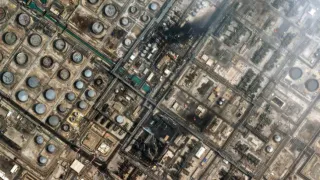
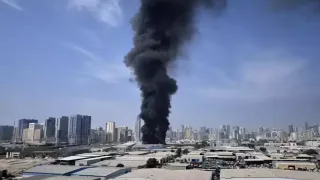
The conflict, which has spread across multiple nations and impacted energy infrastructure, maritime routes and civilian areas, comes at a time when millions of Indians are living and working in Gulf countries. With trade routes and oil supply chains running directly through the affected geography, New Delhi has underscored the urgency of de-escalation and diplomatic engagement.
In an official statement, India reiterated that restraint, dialogue and civilian protection must remain top priorities as the crisis deepens during the holy month of Ramadan, a period traditionally marked by peace and reflection.
Nearly One Crore Indians in Gulf Region
India highlighted that nearly one crore Indian citizens reside and work across Gulf nations, forming one of the largest expatriate communities in the world. These workers contribute significantly to local economies while also sending substantial remittances back home, supporting millions of families across Indian states.
The government emphasized that the safety and well-being of these nationals is of utmost priority. Any instability in the region not only places lives at risk but also threatens financial flows, employment security and community stability. Reports of casualties and missing Indian nationals due to recent maritime and aerial attacks have intensified concerns in New Delhi.
Indian embassies and consulates across affected countries remain on high alert, maintaining close contact with community organizations and issuing regular advisories. Officials have extended assistance to stranded citizens and assured proactive measures to address emerging consular challenges.
Trade and Energy Supply Chains Under Threat
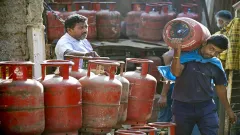
The Gulf and wider West Asian region serve as one of India’s most critical trade corridors. A substantial portion of India’s crude oil and liquefied natural gas imports transit through these waters, particularly via key maritime routes that connect the Arabian Gulf to global markets. Any prolonged disruption could significantly impact fuel availability, domestic prices and inflation.
Beyond energy imports, the region is also central to India’s merchandise trade, logistics connectivity and shipping routes. Ports in the Gulf act as gateways for Indian exports and imports, making maritime security an essential economic concern. India has firmly opposed attacks on merchant shipping, stressing that such actions undermine global commerce and regional stability.
With oil markets already reacting to supply uncertainties and insurance premiums for vessels rising, analysts warn that sustained conflict could exert pressure on India’s fiscal balance, currency stability and overall economic growth trajectory.
Escalation Sparks Global Economic Anxiety
The widening conflict has triggered ripple effects across global markets. Energy exporters in the Gulf have been drawn into the confrontation, while airspace closures and port disruptions have slowed commercial activity. Financial markets have reacted with volatility as investors assess the geopolitical risks.
For India, a major energy importer and emerging economic powerhouse, the stakes are particularly high. Rising crude prices can increase transportation costs, strain household budgets and widen the current account deficit. In addition, disruptions to remittance flows from Gulf-based workers could affect rural consumption and state-level economies.
Government officials have noted that as a proximate neighbour with deep economic, strategic and people-to-people ties to the region, India cannot remain unaffected by the unfolding crisis.
Call for Dialogue and Diplomacy
Reiterating its long-standing foreign policy position, India has strongly called for dialogue and diplomacy as the only viable path forward. The statement expressed grief over mounting civilian casualties and destruction across affected areas, stressing that normal life and economic activities have come to a halt in several zones.
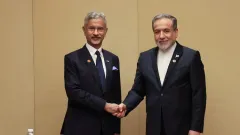
New Delhi has engaged in discussions with regional governments and key global partners. Prime Minister Narendra Modi and External Affairs Minister S Jaishankar have reportedly held conversations with their counterparts to emphasize de-escalation and stability.
India has consistently urged all parties to avoid further escalation and prioritize the protection of civilians and critical infrastructure. Officials argue that prolonged military confrontation would deepen humanitarian suffering and destabilize an already fragile region.
Evacuations, Advisories and Preparedness
Indian diplomatic missions in affected countries are actively monitoring developments. Regular travel advisories have been issued, and contingency planning is underway should evacuation operations become necessary. Authorities have assured that assistance mechanisms remain ready to support citizens facing emergencies.
The Ministry of External Affairs stated that it will continue to monitor the evolving situation closely and take decisions in the national interest. Coordination with international partners remains ongoing to ensure maritime safety and secure trade corridors.
As tensions persist, India’s approach reflects a balance between safeguarding economic interests, protecting its diaspora and advocating for peace. The coming days will determine whether diplomatic efforts can contain the crisis or whether further instability will deepen its economic and humanitarian toll.
Strategic Stakes for India
The Gulf region’s significance for India extends beyond energy. It encompasses employment opportunities, cultural exchanges, investment flows and maritime cooperation. Any long-term instability could alter regional alliances and trade patterns, forcing recalibration of strategic policies.
India’s response underscores its dual priorities: protecting citizens abroad and maintaining economic resilience at home. With nearly one crore Indians in the Gulf and billions of dollars in trade traversing the region annually, the implications of prolonged unrest are profound.
While global attention remains fixed on the military developments, India’s focus is firmly on preventing economic shockwaves and ensuring that its nationals remain safe amid one of the most volatile geopolitical confrontations in recent years.
Also Read: US-Israeli War on Iran Day 4 Breaking Updates and Impact