India has taken a significant step forward in strengthening its economic engagement with the Gulf region by signing a landmark trade agreement with Oman. The Comprehensive Economic Partnership Agreement (CEPA) is being seen as a major boost to bilateral trade, investment flows, and long-term strategic cooperation between the two countries.
The agreement comes at a time when India is actively expanding its network of free trade agreements to secure better market access for exporters and support domestic industries. With duty-free access covering nearly all Indian exports to Oman, the deal is expected to enhance competitiveness and open new growth avenues.
Beyond merchandise trade, the pact also places strong emphasis on services, mobility, and investment cooperation, reflecting the evolving nature of India–Oman economic ties and their shared interest in sustainable, future-ready growth.
India–Oman Trade Snapshot in 2024–25
Trade figures underline the growing importance of Oman as a commercial partner for India. In the financial year 2024–25, India exported merchandise worth $4.06 billion to Oman, accounting for around 0.93% of India’s total exports during the period.
On the import side, India sourced goods worth $6.5 billion from Oman, which represented approximately 0.91% of India’s total imports. These numbers highlight a balanced and steadily expanding trade relationship, with scope for further diversification.
The CEPA aims to build on this existing trade base by lowering barriers, improving predictability, and encouraging businesses on both sides to deepen engagement.
Key Highlights of the Comprehensive Economic Partnership Agreement
Under the newly signed CEPA, Oman has committed to providing India duty-free access on 98.08% of its tariff lines. This generous market access covers nearly 99.38% of India’s current exports to Oman, offering a substantial boost to Indian exporters.
India, in return, has offered liberalised tariff treatment on 77.79% of its tariff lines, covering about 94.81% of imports from Oman. This reciprocal arrangement reflects a carefully negotiated balance between market access and domestic sensitivities.
The agreement significantly reduces trade friction and is expected to enhance the competitiveness of Indian goods in the Omani market.
Boost for Indian Exporters and Manufacturing
Duty-free access on such a large share of tariff lines is expected to benefit a wide range of Indian export sectors. Lower tariffs will make Indian products more price-competitive, encouraging higher volumes and deeper market penetration.
Manufacturing-intensive sectors stand to gain from improved access, which could also support job creation and scale expansion within India. Small and medium enterprises are likely to find new opportunities as compliance costs reduce.
Over time, the agreement could help Indian exporters integrate more closely with regional and global value chains linked to the Gulf.
Opportunities for Oman’s Exports to India
India’s offer of tariff liberalisation on a majority of its tariff lines provides Omani exporters with greater certainty and access to one of the world’s fastest-growing large markets.
The agreement is expected to encourage diversification of Oman’s exports to India while strengthening supply linkages, particularly in sectors where Oman has established strengths.
Improved access to the Indian market could also attract new investments into Oman aimed at serving South Asian demand.
Services Sector Gains and Workforce Mobility
Beyond goods trade, the CEPA includes several provisions designed to benefit India’s services sector. These concessions are expected to improve market access and operating conditions for Indian service providers.
One of the key focus areas is the mobility of professionals and workers. Facilitated movement of skilled personnel can enhance cooperation in sectors such as information technology, healthcare, engineering, and professional services.
This emphasis reflects the growing importance of services in bilateral economic relations and India’s strength as a global services hub.
Strategic Importance of the India–Oman Partnership
The signing of the CEPA underscores the strategic depth of India–Oman relations. Oman occupies a vital geographic position along key maritime trade routes, making it an important partner in India’s broader engagement with the Middle East.
Economic cooperation under the agreement complements existing diplomatic, cultural, and people-to-people ties between the two nations.
By institutionalising trade and investment rules, the CEPA provides a stable framework for long-term collaboration.
Leadership-Level Engagement and Political Support
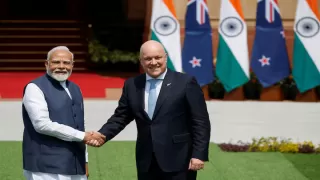
The agreement was finalised during high-level engagements between leaders of both countries, reflecting strong political commitment on both sides. Such leadership backing is expected to ensure effective implementation.
Regular dialogue at the ministerial and official levels will play a crucial role in addressing implementation challenges and unlocking the agreement’s full potential.
The CEPA also signals continuity in India’s strategy of deepening economic ties with trusted regional partners.
Investment and Business Collaboration Prospects
With reduced trade barriers and clearer rules, the agreement is expected to stimulate two-way investment flows. Indian companies may find Oman an attractive base for regional operations, while Omani investors could explore opportunities in India’s expanding economy.
Joint ventures, technology partnerships, and infrastructure collaboration could emerge as key areas of cooperation.
The agreement creates a predictable environment that encourages long-term business planning.
Impact on India’s Broader Trade Strategy
The India–Oman CEPA aligns with India’s broader objective of securing preferential market access through targeted trade agreements. Such pacts help diversify export destinations and reduce dependence on a limited number of markets.
By focusing on comprehensive coverage of goods and services, India aims to ensure that trade agreements translate into tangible economic outcomes.
The Oman deal adds momentum to India’s growing portfolio of economic partnerships.
Future Outlook for Bilateral Trade
With near-total duty-free access now in place, bilateral trade volumes are expected to rise steadily in the coming years. Businesses on both sides are likely to explore new product categories and service offerings.
Effective implementation, awareness among exporters, and supportive domestic policies will be key to realising the agreement’s full benefits.
Overall, the India–Oman CEPA marks a significant milestone, setting the stage for deeper economic integration and a stronger, more resilient trade partnership.
Also Read: Lok Sabha Clears VB-G RAM G Bill, Replacing MGNREGA