India’s external trade position showed signs of improvement in November as the country’s merchandise trade deficit narrowed to its lowest level in five months. The development has provided a measure of relief to policymakers and markets at a time when global trade remains under pressure due to geopolitical uncertainty, slowing demand, and shifting tariff regimes.
The latest data highlights a combination of falling imports and recovering exports, particularly to the United States, which continues to be India’s largest export destination. Lower purchases of key commodities such as gold, crude oil, and coal played a major role in compressing the deficit, while outbound shipments demonstrated renewed momentum.
Adding to the positive outlook, senior government officials indicated that India and the United States are close to finalising a framework trade agreement. This has fuelled optimism that bilateral trade ties could strengthen further in the coming months, potentially easing tariff-related frictions.
Trade Deficit Narrows to Five-Month Low
India’s merchandise trade deficit declined to $24.53 billion in November, marking the lowest level recorded in the past five months. This figure came in significantly below market expectations, which had pegged the deficit at a much higher level.
The improvement followed a record deficit seen in the previous month, highlighting how quickly trade dynamics can shift based on import demand and export performance. Analysts note that the sharper-than-expected narrowing reflects both cyclical factors and targeted policy interventions.
Lower Imports Drive Improvement
A major factor behind the reduced trade gap was a decline in imports of high-value commodities. Purchases of gold, crude oil, and coal fell during the month, easing pressure on the import bill.
Lower global prices, seasonal demand adjustments, and inventory rationalisation by domestic buyers all contributed to the moderation in import volumes. These trends provided immediate relief to the trade balance, even as energy and commodity markets remained volatile.
Exports Show Strong Recovery
On the exports front, India recorded a notable rebound in November. Overall merchandise exports rose to $38.13 billion, up from the previous month, reflecting stronger overseas demand and improved shipment flows.
This increase came after a softer performance earlier in the quarter, suggesting that exporters were able to adapt to global headwinds and regain lost ground as supply chains stabilised.
Exports to the US Gain Momentum
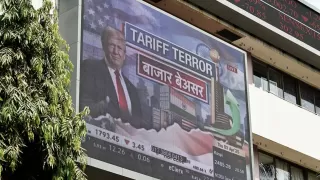
Shipments to the United States registered a sharp recovery, rising nearly 10% month-on-month in November. On a year-on-year basis, exports to the US surged by more than 21%, underscoring the resilience of bilateral trade ties.
The rebound followed a temporary dip in October, when exports had declined compared to the previous year. The November figures indicate renewed demand for Indian goods, even as tariff-related challenges persist.
India Holds Ground Despite Tariffs
Commerce ministry officials highlighted that India has managed to sustain exports to the US despite the presence of higher tariffs on certain product categories. This resilience has been attributed to diversification of export baskets and competitiveness in select sectors.
Government representatives emphasised that exporters have adjusted pricing strategies and supply chains to remain competitive in the American market, which remains crucial for India’s trade growth.
India and US Close to Framework Trade Deal
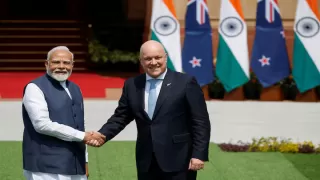
Amid the improving trade numbers, the commerce secretary stated that India and the United States are close to finalising a framework trade agreement. While no specific timeline was disclosed, officials expressed confidence that progress is being made.
The proposed framework is expected to address reciprocal tariff reductions and broader market access issues, setting the stage for deeper economic engagement between the two countries.
High-Level Trade Talks Continue
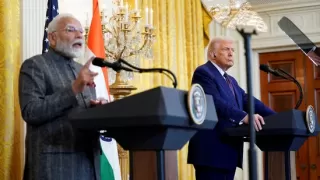
Recent meetings between senior Indian officials and US trade representatives have focused on resolving outstanding bilateral trade concerns. These discussions covered tariffs, non-tariff barriers, and the scope of a future trade pact.
Such engagements signal sustained political and economic commitment on both sides to stabilise and expand trade relations amid evolving global trade rules.
Policy Measures to Support Exports
The Indian government has rolled out a series of measures aimed at cushioning the economy from external shocks. These include consumer tax relief, export promotion packages, and labour reforms designed to improve manufacturing competitiveness.
Officials believe these initiatives have helped exporters weather tariff pressures and maintain momentum in key international markets.
US Market Access Remains a Key Issue
While India is seeking relief on certain export categories, the United States has been pushing for reduced tariffs and fewer non-tariff barriers on American goods entering the Indian market.
A particular focus of negotiations has been agricultural products, with Washington seeking greater access for items such as soybeans and grain sorghum. These issues are expected to feature prominently in the proposed framework agreement.
Overall Trade Numbers for November
Government data showed that imports fell sharply to $62.66 billion in November, down from significantly higher levels in the previous month. This decline played a crucial role in narrowing the trade deficit.
The combination of rising exports and falling imports indicates a more balanced trade position, at least in the short term, as global demand conditions evolve.
Services Trade Provides Additional Support
In addition to merchandise trade, India’s services sector continued to generate a strong surplus. Services exports were estimated at $35.86 billion, while imports stood at $17.96 billion.
This resulted in a services trade surplus of nearly $18 billion, offering an important buffer against the merchandise trade deficit and reinforcing India’s strength in sectors such as IT, consulting, and business services.
What the Data Means for the Economy
The narrowing of the trade deficit has positive implications for macroeconomic stability, easing pressure on the current account and supporting currency stability. Economists view the November data as a welcome development after months of widening gaps.
However, they caution that sustaining this trend will depend on global growth, commodity prices, and the outcome of ongoing trade negotiations.
Outlook for the Coming Months
Looking ahead, analysts expect trade figures to remain sensitive to external conditions, particularly energy prices and demand in key export markets. Any breakthrough in India-US trade talks could provide a further boost to exports.
As policymakers balance domestic priorities with global engagement, the November data offers cautious optimism that India’s trade position may be stabilising after a period of heightened volatility.
Also Read: Toxic Smog Chokes Delhi, Travel Hit as Air Quality Worsens