The Indian Navy has launched a major search and rescue operation in the Indian Ocean after receiving a distress signal from an Iranian naval vessel that sank near Sri Lanka. The incident has drawn international attention due to its connection with escalating geopolitical tensions and the involvement of a United States submarine that reportedly struck the Iranian frigate.
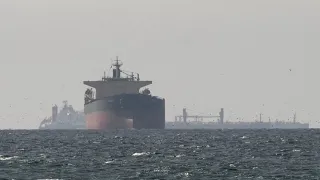
Authorities confirmed that the Iranian frigate IRIS Dena issued an emergency distress call after an explosion was reported onboard. The vessel was operating in international waters near Sri Lanka when it suffered the attack. Soon after the distress signal was received, regional rescue agencies and naval forces mobilised quickly to locate survivors and provide assistance.
India responded rapidly to the emergency by deploying aircraft and naval ships to support search and rescue operations. The coordinated effort between Indian and Sri Lankan authorities highlights the importance of maritime cooperation in responding to emergencies at sea, particularly in one of the world's busiest and most strategically important ocean regions.
Indian Navy Launches Search and Rescue Operation
The Indian Navy initiated immediate action after a distress call from the Iranian frigate reached the Maritime Rescue Coordination Centre in Colombo. The emergency signal indicated that the ship had suffered serious damage and required urgent assistance from nearby naval forces.
Following the alert, the Indian Navy dispatched a long range maritime patrol aircraft to survey the search area. The aircraft was deployed during the morning hours to assist the rescue efforts already being coordinated under Sri Lankan authorities. Surveillance flights were tasked with locating survivors and identifying debris from the damaged vessel.
In addition to the aerial support, another aircraft equipped with air droppable life rafts was placed on standby. This ensured that emergency rescue equipment could be delivered quickly if survivors were located in the water during the search operations.
Where the Incident Occurred
The Iranian frigate was reportedly located roughly 20 nautical miles west of Galle, a coastal city in southern Sri Lanka. This region falls within Sri Lanka’s designated search and rescue area, meaning the Sri Lankan authorities initially coordinated the emergency response.
The vessel issued its distress signal during the early hours of March 4, reporting an explosion onboard. By the time rescue vessels reached the location, the ship had already sunk beneath the waters of the Indian Ocean.
The location of the incident is strategically important due to the heavy maritime traffic passing through the region. The waters near Sri Lanka serve as a key route for international shipping and naval operations, making safety and rapid response essential in emergencies.
Indian Naval Ships Join Rescue Efforts
Several Indian naval assets were mobilised to support the ongoing rescue mission. One of the ships tasked with assisting the operation was INS Tarangini, a sailing training vessel that happened to be operating in the vicinity when the distress signal was received.
The ship was ordered to proceed toward the search area immediately and reached the location later that afternoon. By that time, Sri Lankan naval vessels and rescue teams had already begun their efforts to locate survivors from the sunken warship.
Another Indian vessel, INS Ikshak, sailed from Kochi to reinforce the operation. The ship continues to participate in the search efforts, scanning the surrounding waters for any missing crew members who may still require assistance.
Details About the Iranian Frigate IRIS Dena
The Iranian warship involved in the incident was identified as IRIS Dena, a naval frigate that had recently taken part in a military exercise in India. The ship had been returning toward Iranian waters after participating in activities near the eastern coast of India.
According to reports, the vessel carried approximately 130 sailors and crew members at the time of the attack. The ship reportedly suffered severe damage after being struck by a torpedo fired from a United States submarine while operating in international waters.
The incident occurred roughly 40 nautical miles off the coast of Galle, which is home to a major Sri Lankan naval base. The sudden attack caused catastrophic damage, ultimately leading to the sinking of the warship before rescue ships could arrive.
International Reactions to the Incident
The sinking of the Iranian frigate has triggered strong reactions from international leaders and officials. Iran has condemned the incident and described the attack as a serious escalation in the ongoing regional conflict involving multiple countries.
Iranian officials stated that the warship was operating legally in international waters and had been returning home after completing a friendly naval engagement in India. They also highlighted that the vessel had recently visited Indian ports and had been hosted by the Indian Navy during exercises.
Meanwhile, officials in the United States confirmed that the torpedo strike was part of broader military operations linked to the growing confrontation involving Iran and its regional rivals. The event has intensified concerns about the expansion of conflict beyond the Middle East.
Sri Lanka’s Role in the Rescue Operation
Sri Lanka has played a central role in coordinating the rescue mission because the incident occurred within its designated maritime search and rescue zone. Sri Lankan naval forces were among the first responders to reach the scene after the distress signal was transmitted.
The Sri Lankan Navy deployed multiple vessels and rescue teams to search the waters for survivors and debris from the destroyed ship. Their efforts were supported by aircraft and ships from other countries operating nearby, including those from India.
The country has maintained a neutral stance amid the broader geopolitical tensions surrounding the conflict. Sri Lankan officials have called for diplomatic dialogue and peaceful solutions while continuing to assist humanitarian rescue efforts at sea.
Second Iranian Ship Approaches Sri Lankan Waters
Shortly after the sinking of IRIS Dena, another Iranian vessel was reported to be approaching waters near Sri Lanka. The ship, identified as IRIS Bushehr, was carrying nearly 300 crew members and naval cadets.
The presence of the second ship has drawn attention due to concerns about security and safety in the region. Authorities are closely monitoring its movements as international tensions remain high.
Despite the geopolitical implications of the incident, the immediate focus of the naval forces involved remains on the humanitarian task of rescuing survivors and locating any missing personnel from the sunken frigate.
Importance of Maritime Rescue Cooperation
The rescue mission highlights the importance of international cooperation during maritime emergencies. Naval forces and maritime authorities frequently collaborate across national boundaries when ships face distress in international waters.
India’s swift response demonstrates its commitment to regional maritime safety and humanitarian assistance. By deploying aircraft and naval vessels, the Indian Navy has played a critical role in supporting the ongoing search efforts.
As operations continue, authorities remain hopeful that more survivors may still be located. The incident serves as a reminder of the risks faced by naval crews and the importance of coordinated global efforts to respond quickly when emergencies occur at sea.
Also Read: Nitish Kumar Resigns as Bihar CM Sparks Political Shock