Hormuz Shutdown: China, India, Japan Economic Lifelines Cut: The Strait of Hormuz is a vital oil route for the world. Its closure could adversely affect the energy supply of many major economies and deepen the global crisis.
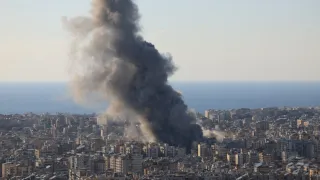
Amid rising military tensions in the Middle East (the Israel-Iran War), Iran's Islamic Revolutionary Guard Corps has announced the closure of the Strait of Hormuz. This sea route carries a significant portion of the world's oil and gas. If this 30-mile-wide channel is closed, the impact will not be limited to Gulf countries but could have a direct impact on major economies around the world.
What is the Strait of Hormuz and why is it important?
The Strait of Hormuz connects the Persian Gulf to the Gulf of Oman and further to the Arabian Sea. It is only about 30 miles wide, but its strategic importance is immense. Approximately 70 percent of the world's surface is covered by ocean, and approximately 80 percent of global trade occurs through sea routes. Therefore, certain locations, called chokepoints, become extremely important. Hormuz is one such chokepoint.
For which countries is this Strait a lifeline?
Eight countries are connected to the Persian Gulf: Iran, Iraq, Kuwait, Saudi Arabia, Bahrain, Qatar, the UAE, and Oman. For many of these countries, the only open sea route passes through Hormuz. The Middle East is known for its oil and gas reserves, and approximately 33 percent of the world's energy consumption comes from oil. Oil plays a major role in transportation, power generation, and industry.
Nearly half of the world's known oil reserves are located in this region. Approximately 40% of natural gas is also found in these countries. Approximately 15% of the world's energy supply comes directly from the Persian Gulf, and the Strait of Hormuz is a major route. The question now is: If this route is closed, which countries' economies will collapse? Let's find out.
China -
China is the world's second-largest economy and the largest petroleum importer. Approximately 45% of China's total oil imports pass through the Strait of Hormuz. If this route remains closed for a long time, China will have to find other supplies, which will increase prices and impact its manufacturing and exports.
Japan -
Japan meets nearly 100% of its energy needs through imports. Approximately 80% of its oil imports come through the Strait of Hormuz. This situation could lead to an energy crisis for Japan, directly impacting its industry and technology sectors.
India -
India is the world's sixth-largest economy. India imports approximately 70% of its crude oil and approximately 50% of its gas from Persian Gulf countries. If the Strait of Hormuz is closed, oil prices for India could rise sharply. This would impact petrol, diesel, gas cylinders, and inflation. The current account deficit and the rupee could also face increased pressure.
South Korea -
South Korea is the world's 10th-largest economy. Approximately 70% of its oil imports come from Gulf countries. A halt in oil supplies would impact electronics, automobiles, and heavy industry, potentially disrupting the global supply chain.
Iran's Strategic Control -
Eight small islands surround the Strait of Hormuz, seven of which are controlled by Iran. This area is militarily sensitive. If shipping is blocked, tanker traffic could be disrupted. Iran has threatened to close this route several times in the past. However, a complete and prolonged closure could have adverse international impacts.
Global Impact of the Strait of Hormuz Closure -
If the Strait of Hormuz closes, crude oil prices could rise sharply in the global market. This would also impact the United States and Europe. Inflation would rise, stock markets could fall, and the risk of a global recession could increase. The world's second, third, sixth, and tenth largest economies could face energy crises. Therefore, Hormuz is considered one of the world's most important and sensitive chokepoints.