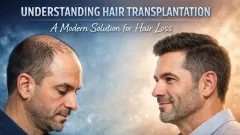
Hair loss affects millions of people worldwide and can significantly impact confidence and self-esteem. Thankfully, modern medical advancements have made hair transplant procedures a safe, reliable, and effective solution for restoring natural hair growth.
Caused by genetics, hormonal changes, stress, or medical conditions, hair thinning affects both men and women. Today’s advanced techniques offer natural-looking results with minimal downtime.
In this guide, we’ll briefly explain how hair transplantation works, the available techniques, its benefits, and what to consider before choosing a clinic.
What is Hair Transplantation?
A hair transplant is a surgical procedure that involves moving hair follicles from one part of the body (usually the back or sides of the scalp, where hair is more resistant to thinning) to areas experiencing baldness or thinning. This technique ensures permanent, natural-looking results because the transplanted hair continues to grow like normal hair.
Techniques Used in Hair Transplantation
There are two primary Techniques:
- FUT (Follicular Unit Transplantation): A strip of scalp is removed, and individual follicular units are transplanted to the thinning area.
- DHI (Direct Hair Implantation): Hair follicles are implanted using a specialized pen device
Both methods are safe and effective, but FUE is often preferred for its minimal scarring and quicker recovery.
1. FUE (Follicular Unit Extraction)
FUE involves extracting individual hair follicles from the donor area and implanting them into the recipient area.
Advantages:- No linear scar
- Faster healing time
- Minimal discomfort
- Natural results
2. DHI (Direct Hair Implantation)
DHI is a modified FUE technique where follicles are implanted using a specialized pen-like device for greater precision.
Advantages:- More precise angle and direction control
- Higher density results
- No need to create incisions beforehand
Specialized centers offering hair transplantation focus on these advanced techniques to ensure optimal results.
Benefits of Hair Transplantation
- Permanent Solution: Unlike temporary fixes, transplanted hair grows naturally and permanently.
- Natural Appearance: Results blend seamlessly with existing hair.
- Boosted Confidence: Restoring hair often improves self-image and emotional well-being.
- Low Maintenance: Once healed, transplanted hair requires no special care.
For trusted expertise, explore Hair transplant.
Why Choose a Professional Clinic?
- Surgeon’s experience
- Clinic accreditation
- Before-and-after results
- Hygiene standards
- Transparent pricing
Reputable centers like Gold City prioritize patient safety, modern technology, and personalized treatment plans.
Risks and Considerations
Although hair transplantation is generally safe, potential side effects may include:
- Temporary swelling
- Minor scarring
- Itching during healing
- Rare infection risks
These risks are minimized when performed by qualified professionals in a certified medical environment.
Cost of Hair Transplant
The cost varies depending on:
- Number of grafts required
- Technique used (FUE or DHI)
- Clinic location
- Surgeon expertise
While price is an important factor, quality and medical standards should always come first when choosing a hair transplant provider.
Conclusion
Hair transplantation has revolutionized the way people deal with hair loss. With modern techniques like FUE and FUT, patients can achieve natural, lasting results that restore both hair and confidence. If you’re considering this procedure, consult with a certified clinic to determine the best approach for your needs.
For professional guidance and treatment options, visit Gold City Medical Center.