Global attention has turned sharply toward Iran as nationwide protests intensify against the backdrop of a collapsing economy and rising political anger. Demonstrations that began as expressions of economic frustration have now evolved into open challenges to Iran’s leadership, drawing reactions from major international players.
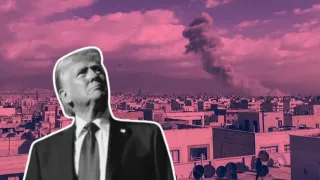
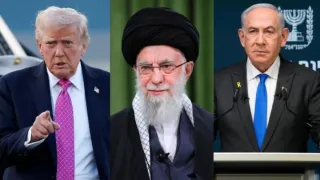
At the centre of the unfolding geopolitical drama is US President Donald Trump, whose statements over the past several days have oscillated between stark military warnings and hints of possible negotiations. His remarks have added uncertainty to an already volatile situation, keeping both allies and adversaries on edge.
As protests spread across cities and social media amplifies voices from inside Iran, Trump’s comments have raised a crucial question: is Washington preparing for talks, or laying the groundwork for military action before diplomacy even begins?
Trump Claims Iran Wants To Negotiate
In a major statement, Donald Trump said Iranian leaders had reached out to the United States seeking negotiations after his warnings of possible military action. According to Trump, discussions were being arranged, but he cautioned that events could move faster than diplomacy.
He indicated that while talks were being considered, the United States might still take action before any meeting occurs. This dual messaging suggested that negotiations were not guaranteed and could be overtaken by rapid developments on the ground.
The statement immediately sparked debate, as it reflected a shift from earlier hardline rhetoric toward a conditional openness to dialogue, without ruling out force.
US Military Reviewing Strong Options
When questioned about the growing death toll linked to protests in Iran, Trump said the situation was being reviewed very seriously. He confirmed that the US military was actively examining various options in response to developments inside Iran.
Trump stressed that decisions had not yet been finalised, but emphasised that Washington was prepared to act decisively if required. His remarks reinforced the idea that military planning was underway alongside diplomatic considerations.
This acknowledgment placed the military dimension squarely in focus, signalling that the US response would depend heavily on how events unfold in the coming days.
Locked And Loaded Warning Sets The Tone
Trump’s first major warning came earlier in January when protests were still gaining momentum. He stated that if Iranian authorities violently suppressed peaceful demonstrators, the United States would step in to support them.
Using strong language on Truth Social, Trump declared that the US was locked and loaded and ready to respond. The message was widely interpreted as a direct warning to Iran’s security forces.
This statement marked the beginning of an assertive communication strategy, framing the protests as a human rights issue while positioning the US as a potential protector of demonstrators.
We Will Start Shooting Too Statement Escalates Tensions
As protests intensified, Trump escalated his rhetoric further, warning Iranian leaders against using force on protesters. He suggested that if Iranian forces began shooting demonstrators, the US would respond in kind.
The remark was one of Trump’s most direct and confrontational statements, sharply raising fears of a military confrontation. It also drew international attention due to its blunt phrasing.
This phase of Trump’s messaging reflected peak pressure tactics, designed to deter Iranian authorities through the threat of overwhelming retaliation.
Trump Praises Protesters As Movement Spreads
With demonstrations reported in more than 100 cities, Trump shifted tone again, addressing Iranian citizens directly. He praised their courage and expressed sympathy for the hardships they were facing.
Calling the protesters brave people, Trump described the situation in Iran as a tragedy brought about by years of mismanagement and repression. His remarks resonated widely on social media platforms.
This messaging sought to distinguish between Iran’s leadership and its citizens, reinforcing US support for the protest movement rather than hostility toward the population.
USA Stands Ready To Help Message Signals Support
In another post, Trump said Iran appeared to be looking at freedom like never before. He added that the United States stood ready to help, without specifying what form that help might take.
The statement was interpreted by supporters as a show of solidarity, while critics argued it risked inflaming tensions further by implying possible intervention.
Nonetheless, it reinforced Trump’s narrative of backing protesters while keeping strategic options deliberately ambiguous.
Very Very Hard Warning Raises Strike Speculation
As speculation grew over a possible US strike, Trump clarified that involvement would not necessarily mean boots on the ground. Instead, he spoke of hitting Iran very hard where it hurts.
He warned that any retaliation against US bases would be met with unprecedented force. The language suggested a focus on targeted military action rather than prolonged conflict.
This statement attempted to reassure domestic audiences about avoiding large-scale war while still projecting strength internationally.
Iran Protests And Political Demands
The protests in Iran began amid a worsening economic crisis marked by inflation, unemployment and shortages. Over time, they evolved into broader political demonstrations demanding systemic change.
Protesters have openly called for the removal of the country’s supreme leader and an end to the existing regime, signalling a rare level of public defiance.
The unrest has also revived discussions around Iran’s political future, with exiled Crown Prince Reza Pahlavi hinting at a possible return, adding another layer of complexity to the crisis.
Uncertain Path Ahead For Iran And The US
As of now, it remains unclear whether negotiations will take place or whether military action will precede any talks. Trump’s statements suggest that both paths remain open.
The combination of nationwide protests, economic collapse and external pressure has placed Iran at a critical crossroads. Each development is closely watched by global powers and regional actors.
What happens next will not only shape Iran’s internal future but could also redefine US-Iran relations, with consequences that extend far beyond the region.
Also Read: Back-To-Back PSLV Failures: ISRO Loses 16 Satellites