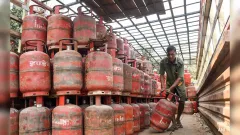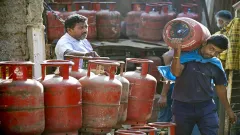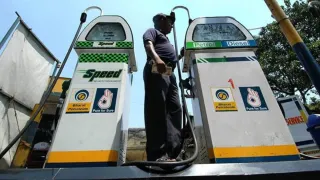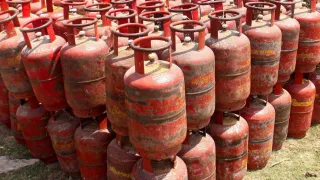
The demand for Liquefied Petroleum Gas or LPG in India has witnessed an unusual surge in recent days as global geopolitical tensions continue to affect energy supply routes. Reports of disruptions in major international shipping lanes and concerns about global oil movement have triggered anxiety among consumers, leading to a sudden spike in LPG cylinder bookings across the country.
Government officials have clarified that the situation does not indicate a real shortage of cooking gas in the country. Instead, authorities say the surge in bookings is largely due to panic buying by consumers who fear potential supply disruptions. The Centre has emphasized that domestic LPG production has increased significantly and that the entire supply is currently being prioritized for household consumers.
Officials from the petroleum ministry have urged citizens to avoid panic booking and to rely on the existing distribution system, which they say remains stable and capable of meeting the nation's cooking gas requirements.
Massive Surge In LPG Bookings Across India
The government has confirmed that LPG bookings across India have surged dramatically in recent days. According to Sujata Sharma, Joint Secretary in the petroleum ministry, daily LPG bookings have reached 75.7 lakh cylinders. This is significantly higher than the pre war average of around 55.7 lakh bookings per day.
This sharp increase in bookings clearly reflects a trend of panic purchasing among consumers who are worried about possible shortages. Officials believe that the sudden jump is not driven by actual consumption but by households attempting to stock up on additional cylinders due to fears related to the ongoing international conflict.
Authorities say that while the rise in bookings appears alarming, the actual demand for cooking gas has not increased at the same pace. Instead, the booking pattern shows that many consumers are placing orders earlier than usual or booking additional cylinders as a precaution.
Government Urges Citizens Not To Panic
The Centre has strongly appealed to the public not to spread rumours or engage in panic buying. Officials have stressed that the country has adequate supplies of LPG and that distribution networks remain fully operational.
Sujata Sharma urged consumers to trust the government and the oil marketing companies responsible for distributing cooking gas across the country. She emphasized that panic booking only disrupts the supply chain and creates unnecessary pressure on the delivery system.
The government has reassured citizens that there is absolutely no need to worry about LPG availability. According to officials, the existing supply and distribution infrastructure is capable of meeting household demand even during periods of high booking activity.
Domestic LPG Production Increased By 30 Percent
To strengthen energy security and reduce dependence on imports, India has significantly increased its domestic LPG production. Officials confirmed that domestic production has gone up by nearly 30 percent, which has helped maintain stability in the cooking gas supply chain.
This increase in domestic output has played a crucial role in ensuring that the entire LPG supply is currently directed toward domestic consumers. Authorities say that households remain the top priority and that every available resource is being utilized to maintain uninterrupted supply.
The government believes that the boost in local production will help offset temporary disruptions caused by international shipping issues and will ensure that consumers continue to receive LPG cylinders without delays.
Impact Of Global Conflict On LPG Supply Routes
The recent surge in panic booking is closely linked to the ongoing conflict involving the United States, Israel and Iran. The tensions have raised concerns about the safety of ships passing through the Strait of Hormuz, one of the most critical energy shipping routes in the world.
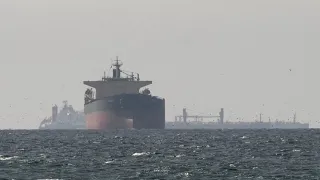
The Strait of Hormuz is a narrow passage that connects the Persian Gulf with the Arabian Sea. A significant portion of the world's oil and LPG shipments pass through this corridor. Due to escalating military activity in the region, tanker movement has been affected, raising fears about global energy supply disruptions.
Reports indicate that several tankers moving through the strait have faced attacks since the conflict began. As a result, shipping companies and energy traders have become increasingly cautious about sending vessels through the region, which has contributed to uncertainty in global energy markets.
India's Dependence On LPG Imports
India traditionally imports a large share of its LPG requirements to meet domestic demand. Government data indicates that around 60 percent of the country's LPG supply comes from international markets.
Of these imports, nearly 90 percent usually arrive through the Strait of Hormuz. Any disruption in this route therefore raises concerns about potential supply constraints, especially during times of geopolitical tension.
However, authorities have clarified that the government has already taken steps to manage the situation by increasing domestic production and exploring alternative supply strategies.
Government Forms Committee To Monitor LPG Situation
In order to closely track developments and respond quickly to any challenges, the government has formed a special committee to monitor the LPG supply situation. The committee has been tasked with assessing supply levels, reviewing logistics and planning diversion strategies if necessary.
Officials say the committee will work closely with oil marketing companies and energy suppliers to ensure that any disruption in international supply routes does not affect domestic availability.
The panel will also focus on improving coordination between different government departments and energy companies so that the LPG distribution system continues to function smoothly even during global crises.
No Immediate Concern Over Crude Oil Supply
The government has also addressed concerns regarding crude oil availability. Officials have stated that India currently sources crude oil from around 40 different countries, which has significantly diversified the country's energy supply network.
According to the petroleum ministry, the inflow of crude oil into the country is currently exceeding the daily requirement of approximately 5.5 million barrels. This means that the country has sufficient supply to maintain refinery operations and energy production.
Authorities say that this diversified sourcing strategy has helped India reduce its dependence on any single region and has improved the country's ability to manage supply disruptions caused by international conflicts.
Clarification On Strait Of Hormuz Reports
Amid the ongoing crisis, reports circulated claiming that Iran had allowed India flagged tankers to pass through the Strait of Hormuz despite restrictions on other vessels. However, Iranian authorities have dismissed these claims and clarified that such reports are inaccurate.
The situation in the strait remains sensitive, with heightened security risks and ongoing military activity. Shipping companies and governments around the world are closely monitoring developments to ensure the safety of commercial vessels.
Despite these challenges, Indian authorities have reassured citizens that the country's energy supply chain remains resilient and that measures are in place to ensure uninterrupted access to cooking gas for households.
Consumers Advised To Maintain Normal Booking Patterns
Officials have once again urged consumers to maintain normal booking patterns and avoid placing unnecessary orders for LPG cylinders. Panic booking, they say, can strain delivery networks and create artificial shortages in certain regions.
The government has emphasized that oil marketing companies are fully capable of handling regular demand and that there is no shortage of cooking gas in the country. Consumers are advised to book cylinders only when required.
Authorities believe that once panic buying subsides and consumers return to regular booking patterns, the supply system will stabilize and delivery timelines will remain consistent across the country.
Also Read: Cocktail 2 Release Date, Cast, Posters and First Look Details Revealed