Image Source: X
India and Sri Lanka are scheduled to co-host the ICC T20 World Cup 2026 starting February 6. Kolkata’s Eden Gardens will play a major role in the tournament, hosting six matches, including a semifinal.
In recent days, however, social media platforms have been flooded with alarming claims suggesting that India should not host the event due to a Nipah virus outbreak in West Bengal. Some posts even claim that players’ lives are in danger and that international travel restrictions are imminent.
But how much truth is there to these claims?
Very little.
Is T20 World Cup in India Under Threat of Nipah Virus Outbreak?
No, the ICC T20 World Cup 2026 is not under threat.
The current Nipah virus situation in West Bengal is limited, contained, and under constant surveillance. Only two cases have been reported so far, both involving healthcare workers who were immediately isolated and treated. Health authorities traced nearly 200 contacts, all of whom tested negative.
There is no community transmission, no emergency declaration, and no advisory from global health agencies suggesting that large sporting events should be cancelled or postponed.
Nipah Virus Situation in West Bengal: What’s Actually Happening?
This is not the first time Nipah virus has surfaced in the region. The recent cases mark the eighth Nipah outbreak reported in West Bengal. The two infected nurses were identified in December and remain under medical supervision.
According to the Ministry of Health and Family Welfare:
“Enhanced surveillance and coordinated action between Central and State health agencies ensured timely containment. No additional Nipah cases have been detected so far.”
This confirms that the outbreak is localised and under control.
What Is the Nipah Virus?
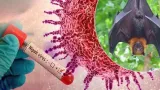
As per the World Health Organisation (WHO), Nipah virus (NiV) is a zoonotic disease that spreads from animals to humans. Transmission can occur through:
- Contact with infected animals
- Consumption of contaminated food
- Close contact with infected individuals
First identified in Malaysia in 1998, Nipah has a high fatality rate of 40–75%, and there is currently no vaccine. However, unlike COVID-19, Nipah is not airborne and requires close contact for transmission.
Globally, there have been 756 recorded cases and 435 deaths over several decades.
Airport Screening Is Precautionary, Not Panic-Driven
Some countries, including Nepal, Thailand, and Indonesia, have introduced thermal screening at airports as a preventive step, drawing lessons from the COVID-19 pandemic. Australia is also monitoring the situation.
However, the WHO has made its position clear:
“Based on current evidence, WHO does not recommend any travel or trade restrictions.”
Social Media Fear vs Ground Reality
Much of the panic circulating online appears to be driven by exaggeration and misinformation, with some narratives reportedly originating from outside India. While Pakistan has started airport screening and some Chinese citizens have called for travel curbs, these actions do not reflect the actual health situation in India.
With only two isolated cases and no further spread, calling it a national health emergency is misleading.
Image Source: X
BCCI’s Stand on Player Safety
The Board of Control for Cricket in India (BCCI) has dismissed concerns about the tournament.
A senior BCCI official said:
“Players health and safety are always our top priority. There is a detailed health plan for every major event. At present, there is no cause for concern.”
Are Kolkata Matches at Risk?
The two Nipah cases were detected in Barasat, around 30 km from Eden Gardens. Health experts and cricket authorities have confirmed that these isolated cases pose no risk to the venue or the tournament schedule.
Another BCCI official clarified:
“There is no discussion about shifting matches from Kolkata. Everything is safe, and the schedule remains unchanged.”
Final Word
The Nipah virus outbreak in West Bengal is contained and closely monitored. Claims that India is unsafe to host the ICC T20 World Cup 2026 are overstated and driven by fearmongering rather than facts.
With no advisory from the WHO, no rise in cases, and constant coordination between health authorities and organisers, the T20 World Cup will go ahead as planned.
Also Read: What Is Nipah Virus, Its Symptoms, and WHO Statement on India Cases