Delhi is gripped by one of its harshest winter spells in recent years, with residents waking up to freezing mornings, fog-laden streets and unusually low temperatures. The biting cold has altered daily routines, forcing people indoors while those stepping out rely heavily on layered clothing and winter essentials.
The sudden dip in mercury has raised concerns not just about comfort, but also about health, mobility and infrastructure. With temperatures plunging well below normal levels across multiple areas, the situation has prompted weather authorities to issue alerts and advisories.
As the cold wave intensifies, the national capital is bracing for more challenging days ahead, with forecasts indicating further drops in temperature and persistent fog likely to disrupt travel and everyday life.
Delhi Records Severe Cold Wave Conditions
Delhi is currently experiencing a pronounced cold wave, with several parts of the city reporting minimum temperatures near the three-degree mark. The situation became more serious when Ayanagar recorded a chilling low of 2.9°C, one of the lowest temperatures observed this winter.
Other regions followed close behind, underscoring the widespread nature of the cold. Palam registered its lowest minimum temperature in several years, while the Ridge area recorded a minimum of 3.7°C, reflecting a sharp deviation from seasonal averages.
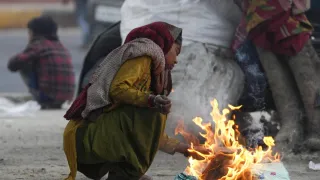
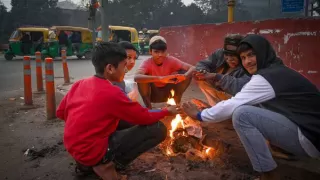
The intensity of the cold has made mornings particularly harsh, with people seeking warmth in sunlight whenever possible, especially in open areas such as parks and community spaces.
IMD Issues Two-Day Orange Alert
In response to the deteriorating weather conditions, the India Meteorological Department issued a two-day orange alert for Delhi, warning residents of severe cold wave conditions. An orange alert signifies the need for heightened awareness and preparedness.
The IMD forecast indicated that cold wave conditions would prevail in several pockets of the city, accompanied by clear skies and shallow to moderate fog during the early morning hours.
According to the outlook, Delhi’s minimum temperatures are expected to range between 2°C and 4°C, while maximum temperatures may hover between 18°C and 20°C, remaining below normal for this time of year.
Further Temperature Drops Expected
Weather officials have cautioned that the cold spell may deepen further. Minimum temperatures in Delhi are expected to drop by 3.1°C to 5.0°C below normal levels, intensifying the chill felt across the city.
Maximum temperatures are also likely to decline, falling by 1.6°C to 3.0°C below average. This combination of low daytime warmth and freezing nights is contributing to prolonged cold stress.
Such conditions increase the risk of cold-related ailments, especially for children, the elderly and people with existing health issues.
Dense Fog Adds To Winter Woes
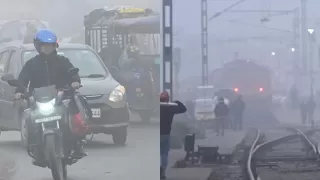
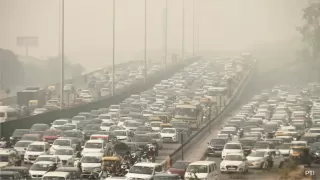
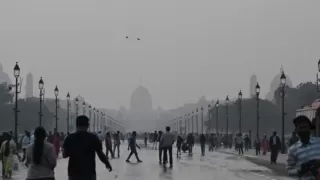
Alongside plunging temperatures, dense fog has emerged as a major concern. The IMD has warned of foggy conditions during morning hours, reducing visibility across large parts of Delhi.
Fog is expected to affect not only the capital but also surrounding regions, including Haryana, Chandigarh, Punjab, Himachal Pradesh and Uttarakhand, extending the impact beyond city limits.
Reduced visibility has already begun affecting transportation, prompting advisories and caution for commuters navigating roads during early hours.
Visibility Drops Disrupt Air Travel
Low visibility conditions have significantly impacted flight operations at Delhi’s Indira Gandhi International Airport. Dense fog forced operations under CAT III conditions, which allow aircraft to land in extremely low visibility.
Airport authorities issued passenger advisories warning of possible delays and cancellations, urging travellers to stay updated through their airlines before heading to the airport.
Airlines such as Air India and SpiceJet also released alerts after visibility levels dropped to as low as 150 metres during the morning hours, highlighting the severity of the fog.
Cold Wave Affects Daily Life In The Capital
The extreme cold has altered daily routines across Delhi. Morning walks, outdoor exercise and school commutes have become increasingly challenging due to freezing temperatures.
Street vendors, delivery workers and daily wage earners are among the worst affected, as prolonged exposure to cold increases physical strain and health risks.
Households are witnessing increased use of heaters and warm clothing, while markets report higher demand for winter wear and bedding.
Impact On Schools And Workplaces
The sharp fall in temperature has raised questions around school operations and work schedules. Parents remain concerned about young children stepping out during early morning hours.
Several institutions are closely monitoring weather updates, while authorities continue to evaluate whether additional advisories or closures may be required.
Workplaces have also seen delayed start times and increased remote work as employees try to avoid peak cold and foggy conditions.
Regional Cold Wave Warnings Extended
The IMD has indicated that cold wave to severe cold wave conditions are very likely in isolated pockets of Punjab, Haryana, Chandigarh and Delhi on January 12.
Cold wave conditions are also expected to continue on January 13, suggesting that the winter spell may not ease immediately.
These alerts underscore the scale of the cold front affecting northern India, with Delhi remaining one of the hardest-hit regions.
Air Quality Shows Slight Improvement
Amid the cold wave, Delhi’s air quality showed marginal improvement. The city’s overall Air Quality Index stood at 298, placing it in the poor category.
Despite the improvement from very poor levels, air quality remains a concern, with over half of the city’s monitoring stations still recording very poor readings.
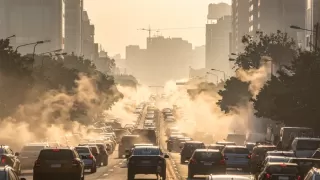
Cold weather and low wind speeds often trap pollutants close to the ground, making sustained improvement in air quality challenging during winter months.
Authorities Urge Caution And Preparedness
Weather authorities have advised residents to take precautions, particularly during early morning and late night hours when temperatures are lowest.
People are urged to limit prolonged outdoor exposure, stay adequately layered and remain alert to official weather updates.
As Delhi navigates this intense winter phase, continued vigilance and preparedness will be key to minimizing disruption and ensuring public safety.
Also Read: From Shooting Threats to Talks Trumps Iran Protest Shift