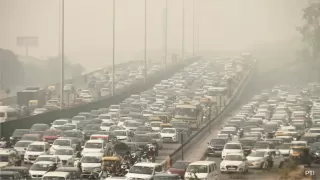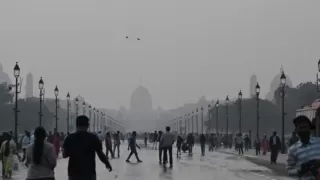
Delhi’s worsening air quality has once again become a major point of concern, with new assessments indicating that the capital city is stuck in a cycle of persistent pollution. Despite earlier improvements, recent years show that the fine particulate matter choking the city has refused to decline further. This stagnation highlights a deeper structural problem that cannot be fixed through seasonal actions alone.
While earlier winters often saw sharp spikes linked to external factors, recent analyses suggest that Delhi’s pollution has now become a year-round challenge driven by its own emissions. The atmospheric conditions that trap pollutants each winter only worsen the impact, making the air consistently hazardous for residents across the region.
The latest evaluations underscore how multiple pollution sources converge daily to form a toxic combination. With emissions rising from vehicles, local combustion, and urban activities, the city's air now carries a thick mix of fine particles and harmful gases that refuse to dissipate. The stabilisation of these pollutants, especially PM2.5, points to an alarming pattern with no signs of decline.
Stagnant PM2.5 Trends and Persistent Pollution Levels
The most concerning finding is that the downward trajectory of PM2.5 levels observed between 2018 and 2022 has completely flattened out. Over the past few years, the fine particulate concentration stopped improving and instead stabilised at an extremely high baseline. This plateau indicates that the city is breathing toxic air throughout the year, regardless of season.
Data comparisons suggest that while occasional short-term dips may occur, the broader trend shows no meaningful decline. The annual average concentration of PM2.5 remains well above safe limits, highlighting how the pollution load has embedded itself into the city's airscape. Even when winter averages appear slightly lower, they still align with the three-year baseline, proving that the core pollution problem persists.
This stagnation is attributed to the spike in local emissions, increased traffic volume, combustion activities, and inadequate long-term intervention. Without substantial reforms, Delhi’s PM2.5 levels are likely to continue hovering at dangerous levels, offering no relief to its inhabitants.
Daily Pollution Patterns Driven by Traffic and Combustion Sources
One of the strongest indicators of Delhi’s local pollution sources comes from the daily pattern of PM2.5 fluctuations. The city witnesses a predictable rise and fall in particulate matter in sync with traffic flow. Morning and evening rush hours trigger pronounced peaks in harmful gases like nitrogen dioxide, which are then followed by a gradual accumulation of fine particles.
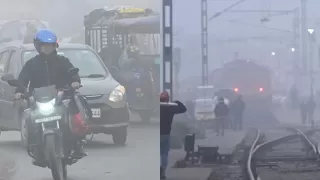
This synchronised rise, particularly of nitrogen dioxide and carbon monoxide, points directly to the impact of vehicular emissions. Nitrogen dioxide spikes instantly from tailpipe exhausts, while PM2.5 lingers longer as winter inversion layers trap pollutants close to the ground. This combination creates a persistent haze that becomes difficult to disperse.
Carbon monoxide levels have shown troubling increases as well, with numerous monitoring stations recording dangerous counts over many days. These gases, combined with PM2.5, form a dangerous pollution cocktail that people inhale every day, highlighting the growing burden of urban combustion sources.
Low Contribution from External Seasonal Factors
Contrary to popular belief, seasonal external factors such as agricultural residue burning are no longer the dominant contributors to Delhi’s pollution levels. Recent assessments indicate that these fires contributed minimally during the early winter phase. Even during occasional spikes, their share remained well below the levels seen in previous years.
Despite the dip in such episodic pollution sources, overall air quality did not show significant improvement. The city's air remained in very poor to severe categories for most of the month, underscoring that its baseline pollution is now driven by internal emissions rather than external triggers. Lower smoke levels may help avoid extreme peaks but have little effect on daily averages.
This reinforces the conclusion that Delhi’s foundational pollution burden has deepened. Seasonal interventions can no longer compensate for the growing impact of daily urban pollutants that originate locally.
Multiplying Hotspots and Worsening Airshed Conditions
The distribution of pollution across the region reveals that many neighbourhoods previously considered relatively stable have now turned into hotspots. Areas historically known for heavy pollution—such as industrial belts and densely populated zones—continue to suffer, but newer locations have joined the list with alarming concentrations of PM2.5.
Neighbourhoods across east, west, and south Delhi now show high pollutant levels, indicating that pollution is no longer confined to specific pockets. Even smaller towns in the surrounding region, which earlier enjoyed cleaner gaps, now report prolonged smog spells with intensities surpassing the capital itself.
This transformation shows that the entire region behaves as a unified polluted airshed. With no geographical buffer zones left to disperse pollutants, the impact of emissions travels rapidly across the region, intensifying air stagnation and exposure.
Urgent Need for Structural Reforms and Long-Term Action
The overall patterns and findings point to a crucial conclusion: temporary measures and seasonal responses will not solve Delhi’s air pollution crisis. The stabilisation of PM2.5 levels and the rise of toxic gas concentrations indicate that the city is approaching a critical threshold.
To reverse the stagnation, deep structural reforms are required across multiple sectors—transportation, industrial activity, waste management, energy use, and household fuel consumption. Only comprehensive and long-term strategies can deliver sustainable improvements in air quality.
Without such interventions, the city risks losing the modest gains it made in earlier years. The consistent exposure to hazardous air now threatens not only public health but also the economic and environmental stability of the region. The current trends serve as a stark reminder that the time for small, isolated actions is over and that transformative steps are the only way forward.
Also Read: Siddaramaiah Hints: DKS Could Be CM If Congress Decides