Iran is facing one of its most volatile periods in recent years as nationwide anti-government protests continue to intensify amid a sweeping communications blackout. Streets across major cities have witnessed growing unrest, with demonstrators voicing anger over economic hardship, political repression, and declining living standards.
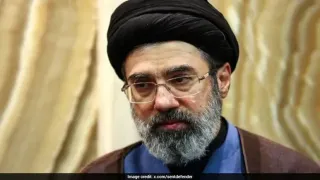
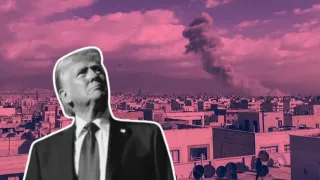
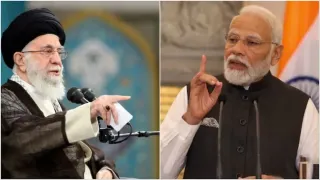
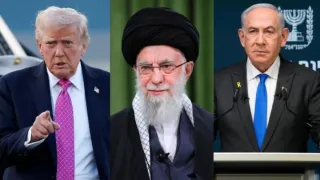
The situation escalated further after Iran’s Supreme Leader Ayatollah Ali Khamenei launched a sharp attack on US President Donald Trump, accusing him of arrogance and claiming his hands were stained with the blood of Iranians. These remarks added an international dimension to an already combustible domestic crisis.
As deaths mount, arrests surge, and internet access remains severely restricted, Iran finds itself grappling with internal dissent while trading accusations with external powers, deepening uncertainty about what lies ahead.
Khamenei Targets Trump In Fiery Address
Iran’s Supreme Leader Ayatollah Ali Khamenei directly targeted US President Donald Trump in a public address, describing him as arrogant and accusing him of responsibility for the deaths of Iranian citizens. The remarks were broadcast on state television as supporters chanted slogans against the United States.
Khamenei alleged that Trump’s public expressions of support for Iranian protesters were hypocritical, claiming that US actions in the past had caused widespread suffering. He dismissed Trump’s statements as an attempt to interfere in Iran’s internal affairs.
The strong language signalled a hardening stance from Iran’s leadership, reinforcing its narrative that foreign powers are exploiting unrest to destabilise the country.
Nationwide Protests Enter Critical Phase
The protests began in late December after demonstrations erupted in two major markets in Tehran, triggered by rising inflation and the sharp fall of the Iranian Rial. What started as economic protests soon expanded into broader calls against the clerical leadership.
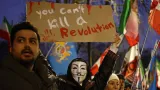
Over the following days, demonstrations spread rapidly across cities and towns, drawing in people from diverse social and economic backgrounds. Protesters voiced frustration over unemployment, corruption, and restrictions on political freedoms.
The scale and persistence of the unrest have made it one of the most significant challenges to the Iranian government in recent years.
Death Toll Continues To Rise
Iran’s state media initially avoided providing figures on casualties but later acknowledged that there had been deaths, referring only to casualties without offering specific numbers. Independent activists, however, reported a far higher toll.
According to figures cited by international activists, at least 62 people have been killed since the protests began last month. Other monitoring groups placed the death toll even higher as clashes between security forces and demonstrators intensified.
The growing number of fatalities has fuelled anger among protesters and drawn increased scrutiny from the international community.
Mass Arrests And Widespread Detentions
Alongside rising deaths, authorities have carried out sweeping arrests aimed at suppressing the protests. Human rights groups reported that more than 2,300 people had been detained nationwide as demonstrations entered their second week.
Detentions were reported across hundreds of locations, indicating the scale of the crackdown. Families of detainees expressed fear over the lack of information regarding the whereabouts and conditions of those arrested.
The mass arrests underscored the government’s determination to regain control, even as protests continued to flare.
Internet Shutdown Deepens Information Blackout
As unrest spread, Iranian authorities imposed severe restrictions on internet access, limiting communication both within the country and with the outside world. Officials said the shutdown was ordered by security authorities due to prevailing circumstances.
The blackout disrupted social media platforms, messaging services, and independent reporting, making it difficult to verify events on the ground. Protesters relied on word of mouth and offline coordination to organise demonstrations.
Critics argued that the internet shutdown was aimed at silencing dissent and preventing footage of protests from reaching a global audience.
Flights Cancelled Amid Growing Instability
The unrest also disrupted air travel, with several international flights to and from Iran cancelled. Airlines cited security concerns as demonstrations spread and uncertainty increased.
Flights between Iran and regional hubs were among those affected, stranding passengers and adding to the sense of disruption. The cancellations reflected broader regional unease over Iran’s internal situation.
Travel disruptions further highlighted how domestic unrest was spilling over into economic and logistical challenges.
Khamenei Signals Crackdown On Protesters
In his address, Khamenei warned that protesters were damaging their own cities and acting in the interests of foreign powers. He accused demonstrators of seeking to please the US president rather than addressing Iran’s internal issues.
The Supreme Leader suggested that security forces would respond firmly, signalling a possible intensification of the crackdown. His remarks appeared to challenge Trump’s statements supporting peaceful demonstrators.
The message left little doubt that the leadership intended to use force if necessary to restore order.
Judiciary Vows Maximum Punishment
Iran’s judiciary chief reinforced the hardline stance, vowing decisive and maximum punishment for those involved in the protests. He stated that there would be no legal leniency for individuals accused of destabilising the country.
This declaration heightened fears among activists and human rights observers about potential harsh sentences and expedited trials.
The judiciary’s comments aligned closely with the leadership’s broader narrative of confronting what it described as organised unrest.
Reza Pahlavi Issues Urgent Appeal
Exiled Iranian crown prince Reza Pahlavi emerged as a prominent voice during the protests, issuing repeated calls for Iranians to rise against the clerical establishment. His messages gained traction on social media despite internet restrictions.
Pahlavi directly appealed to Donald Trump for urgent intervention, urging him to support the Iranian people. He described the situation as critical and called for immediate international attention.
Protesters in several cities were heard chanting slogans in support of Pahlavi, reflecting a revival of monarchist sentiment among some groups.
Economic Grievances Fuel Public Anger
At the heart of the unrest lies deep economic frustration. Rising prices, declining purchasing power, and a weakening currency have placed immense pressure on ordinary Iranians.
Many protesters cited daily struggles to afford basic necessities as a key reason for taking to the streets. These grievances cut across class lines, uniting workers, traders, and students.
The economic roots of the protests have made them harder for authorities to dismiss as isolated or externally driven.
International Reactions And Rising Tensions
Khamenei’s accusations against Trump intensified already strained relations between Tehran and Washington. His claim that US actions were responsible for Iranian deaths added fuel to long-standing hostilities.
The leadership also accused Israel of playing a role in fomenting unrest, framing the protests as part of a broader conspiracy against Iran.
These accusations reinforced Iran’s narrative of foreign interference while drawing global attention to the unfolding crisis.
Uncertain Road Ahead For Iran
As protests continue, Iran faces an uncertain future marked by deep internal divisions and external pressure. The combination of rising deaths, mass arrests, and an information blackout has created a tense and unpredictable environment.
Whether the government can contain the unrest or whether protests will escalate further remains unclear. What is evident is that public anger has reached a level not easily suppressed.
With leaders trading accusations and citizens demanding change, Iran stands at a critical crossroads that could shape its political landscape for years to come.
Also Read: Greenland Parties React Strongly After Trumps America Threat