The timing couldn’t be more dramatic. Just as fuel prices begin to pinch households and headlines heat up, a sudden tax cut appears, like a plot twist in a political thriller. But is this relief real, or just a pause before the next spike? That’s the question dominating India’s political and economic conversation right now.
In the latest chapter of the fuel price cut India debate, Karnataka’s ruling Congress has called the Centre’s move to reduce excise duty on petrol and diesel a calculated 'election gimmick.' The claim isn’t just about politics; it taps into a deeper anxiety shared by millions of consumers already navigating rising living costs.
According to Congress leaders, the excise duty reduction is less about easing public burden and more about balancing oil companies’ books. In a joint statement, Chief Minister Siddaramaiah, Deputy CM D.K. Shivakumar, and AICC leader Randeep Surjewala argued that the government is essentially shifting financial pressure rather than removing it.
Their warning is clear: once state elections conclude in April 2026, fuel prices could rise again.
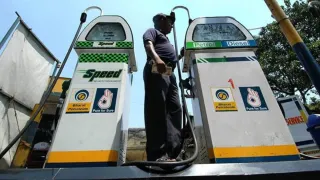
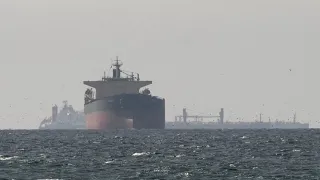
This claim gains traction amid global uncertainty. With tensions in West Asia impacting crude oil dynamics, even a small disruption can ripple across domestic fuel prices. Adding to the concern, private players like Nayara Energy have already increased petrol and diesel rates, seen by critics as an early signal of broader hikes to come.
Fuel Price Cut India Tax and Price Analysis
Over the past decade, fuel pricing in India has evolved into a complex mix of global crude rates, taxation policies, and market forces. Congress alleges that since 2014, the Centre has collected a staggering ₹43 lakh crore through fuel taxes, roughly ₹1,000 crore daily.
What makes this more controversial is the comparison with global crude oil prices. Back in 2014, crude hovered around $108 per barrel. Today, it’s closer to $70, but retail fuel prices remain significantly higher.
For consumers, the math doesn’t quite add up.
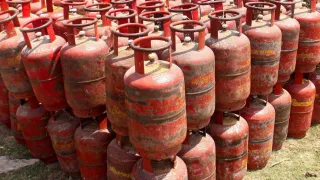
The situation is similar to LPG. Despite a drop in international LPG prices by nearly 38.5% over the years, domestic cylinder prices have surged by over ₹500 since 2014. This widening gap between global trends and local pricing fuels scepticism about whether current relief measures are sustainable.
Fuel Price Cut in India Impact on Inflation
The fuel price cut in India narrative isn’t just a political slugfest; it directly impacts everyday life. From transportation costs to food prices, fuel is a silent driver of inflation.
A temporary cut might offer short-term relief, but uncertainty about future hikes creates hesitation. Businesses delay decisions, households tighten budgets, and the overall economic sentiment becomes cautious.
There’s also a trust factor at play. When price adjustments align too closely with election cycles, it raises questions about long-term policy consistency versus short-term political strategy.
As elections approach, fuel prices will remain under the spotlight. Whether this excise duty cut turns out to be genuine relief or a strategic pause is something only time will reveal.
For now, consumers are watching closely, because in the story of the fuel price cut in India, the next twist could arrive right after the votes are counted.