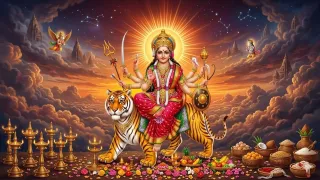
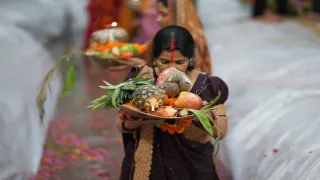
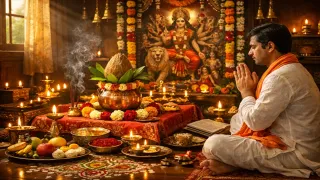
Basant Panchami, also known as Vasant Panchami or Shri Panchami, is one of the most spiritually uplifting and culturally vibrant festivals celebrated in India. It marks the gentle arrival of spring, a season associated with new beginnings, positivity, learning, and creativity. The festival is deeply rooted in Indian tradition and is primarily dedicated to Goddess Saraswati, the divine symbol of knowledge, wisdom, music, art, and intellect.
In 2026, Basant Panchami will be observed on January 23, bringing with it a wave of yellow hues, devotional energy, and academic enthusiasm across the country. From homes and temples to schools and colleges, the day is celebrated with devotion, joy, and deep cultural meaning.
Basant Panchami 2026 Date and Tithi Details
Basant Panchami is celebrated on the fifth day of the bright fortnight of the Hindu month of Magha. According to the Hindu Panchang, the festival in 2026 falls on Friday, January 23.
Panchami Tithi Timings 2026
- Panchami Tithi begins: January 23, 2026, at 2:28 AM
- Panchami Tithi ends: January 24, 2026, at 1:46 AM
Since the Panchami Tithi prevails during sunrise on January 23, the festival will be observed on this day across India.
Saraswati Puja Muhurat on Basant Panchami 2026
Saraswati Puja is the most important ritual of Basant Panchami. Performing the puja during the auspicious muhurat is believed to bring clarity of thought, academic success, creative excellence, and wisdom.
Saraswati Puja Muhurat 2026
- Date: January 23, 2026
- Time: From 7:13 AM to 12:33 PM
This mid-morning to noon period is considered highly favourable for worship, learning-related rituals, and educational beginnings.
Significance of Basant Panchami
Basant Panchami holds immense religious, seasonal, and cultural importance. It beautifully connects nature, spirituality, and human intellect.
The festival marks the transition from harsh winter to pleasant spring. Fields begin to bloom with mustard flowers, trees regain freshness, and nature appears dressed in shades of yellow. This natural transformation is why yellow becomes the dominant colour of the festival.
Spiritually, the day is dedicated to Goddess Saraswati, the embodiment of knowledge, learning, music, and wisdom. Devotees believe that worshipping her on Basant Panchami removes ignorance, sharpens intellect, and opens the path to creativity and success. For students, artists, musicians, writers, and scholars, this day is especially sacred.
In many traditions, Basant Panchami is also considered highly auspicious for beginning formal education of children, starting new learning, music, or dance training, and initiating creative projects and intellectual pursuits.
Who Is Goddess Saraswati and Why Is She Worshipped?
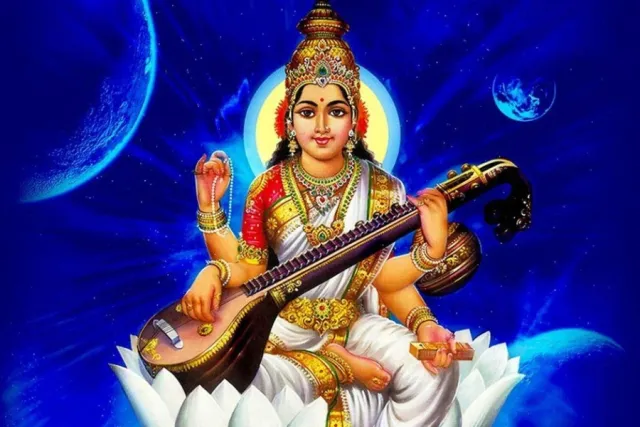
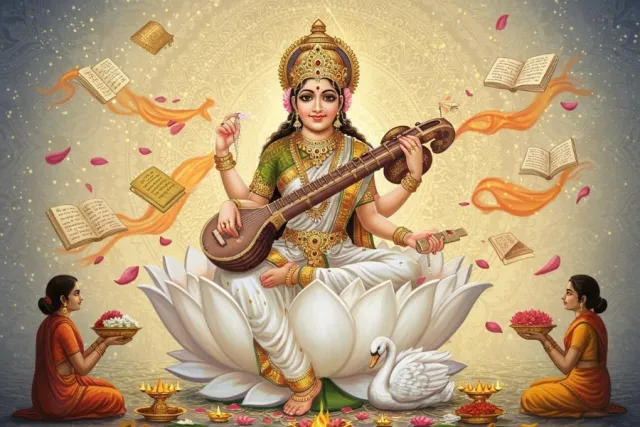
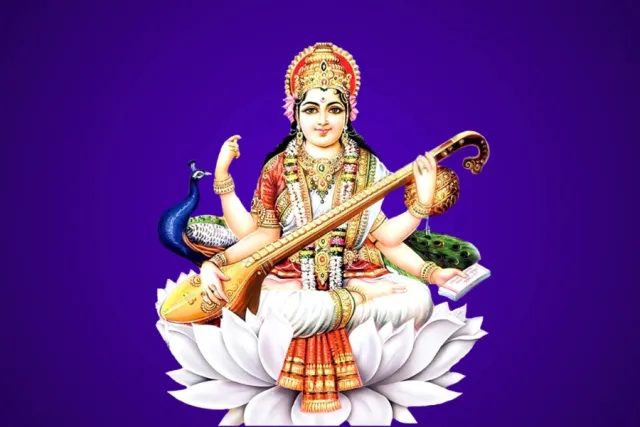
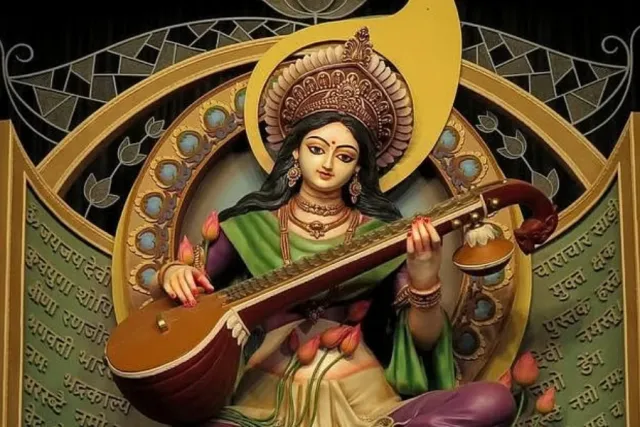
Goddess Saraswati is depicted wearing white garments, seated on a lotus, holding a veena, scriptures, and a rosary. She represents purity, calmness, wisdom, and discipline. Her white attire signifies clarity of knowledge, while the veena symbolises harmony between intellect and emotion.
On Basant Panchami, devotees seek her blessings to gain wisdom and focus, excel in studies and examinations, develop creativity in arts and music, and achieve mental clarity and disciplined thinking.
This is why educational institutions across India observe Saraswati Puja with special reverence.
Saraswati Puja Samagri Essential Puja Items
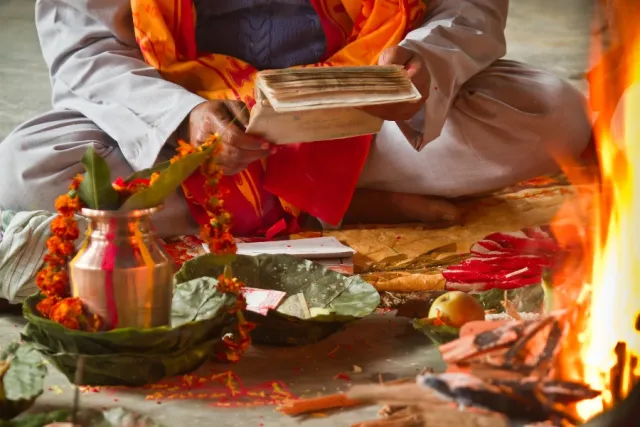
To perform Saraswati Puja at home or in institutions, certain traditional items are required. These items symbolise purity, devotion, and abundance.
- Idol or picture of Goddess Saraswati
- Yellow or white cloth for decoration
- Yellow flowers like marigold and chrysanthemum
- Fruits such as bananas, apples, and seasonal produce
- Traditional sweets like kesar bhaat, boondi ladoo, or kesari halwa
- Incense sticks and a ghee lamp
- Turmeric, kumkum, and sandalwood paste
- Books, notebooks, pens, and musical instruments placed near the idol
Books and learning tools are not touched on this day after puja, as a mark of respect to knowledge.
How Basant Panchami Is Celebrated at Home?
Celebrations usually begin early in the morning. Devotees wake up before sunrise, take a ritual bath, and wear clothes in yellow or white shades, symbolising energy, prosperity, and purity.
Homes are cleaned and decorated with flowers. Rangoli or alpana designs are drawn at entrances using rice flour paste. A peaceful and devotional atmosphere is created for the puja.
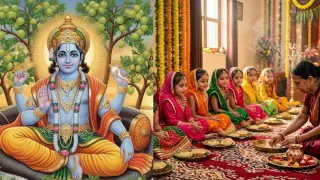
During Saraswati Puja, the idol or picture of the goddess is placed on a clean platform. Flowers, sweets, and fruits are offered. Pushpanjali is performed by offering flowers with prayers. Students often observe a short fast until the puja is completed.
After the ritual, prasad is distributed among family members, neighbours, and guests. The day is spent in reading, music practice, cultural activities, and quiet reflection.
Basant Panchami Celebrations in Schools and Colleges
Educational institutions play a major role in Basant Panchami celebrations. Saraswati Puja is organised in schools, colleges, and coaching centres with great devotion.
Students and teachers participate together, reinforcing the sacred bond between education and spirituality. Cultural programs, classical music, dance performances, poetry recitations, and debates are commonly organised.
For many students, this festival serves as a reminder that learning is not just about exams but about wisdom, discipline, and lifelong growth.
Regional Traditions and Celebrations Across India
Basant Panchami is celebrated in different forms across various regions, reflecting India’s cultural diversity.
In North India, in states like Punjab, Haryana, Uttar Pradesh, and Delhi, Basant Panchami is closely associated with kite flying. The sky fills with colourful kites, symbolising freedom, joy, and the arrival of spring.
In West Bengal, Odisha, and Assam, Saraswati Puja is celebrated with grandeur. Homes, schools, and colleges install idols of Goddess Saraswati. Young students dress in traditional attire and participate enthusiastically.
In Bihar and Jharkhand, the festival is deeply linked with educational rituals. Many families choose this day to initiate children into learning.
In Rajasthan and Madhya Pradesh, yellow attire, folk songs, and traditional sweets dominate the celebrations, highlighting seasonal joy and devotion.
Traditional Foods Prepared on Basant Panchami
Food plays an important role in Basant Panchami celebrations. Most dishes prepared on this day are yellow in colour, reflecting the spirit of spring.
- Kesari Halwa
- Kesar Bhaat
- Boondi Ladoo
- Yellow rice preparations
- Seasonal fruits and sweets
These offerings are first presented to Goddess Saraswati and later shared as prasad.
Why Yellow Is Important on Basant Panchami?
The colour yellow symbolises prosperity and positivity, energy and creativity, blooming mustard fields, and sunshine.
Wearing yellow clothes and offering yellow flowers is believed to attract positive vibrations and spiritual growth.
Basant Panchami in Modern Times
While rooted in tradition, Basant Panchami continues to remain relevant in modern life. In today’s fast-paced world, the festival serves as a reminder to value knowledge, creativity, and mindful learning.
Parents encourage children to respect education, artists reconnect with their creative roots, and individuals pause to appreciate intellectual growth over material success.
Basant Panchami 2026 is not just a festival, but a celebration of learning, wisdom, creativity, and renewal. Observed on January 23, 2026, it brings together spirituality, culture, and seasonal beauty in a meaningful way.
By worshipping Goddess Saraswati, devotees reaffirm the importance of knowledge in shaping life, character, and society. Whether celebrated at home, in schools, or in communities, Basant Panchami continues to inspire generations to seek wisdom, embrace creativity, and welcome new beginnings with hope and positivity.