Every year, millions of people are blindsided by heart attacks they never saw coming. Or did they? The truth is, most cardiovascular events don't happen out of nowhere. They're the slow, quiet result of years of everyday food choices, decisions that feel harmless in the moment but accumulate into something far more dangerous over time.
Here's the uncomfortable reality: your heart is being affected right now by what you eat daily. Not someday. Now. And the five food mistakes below are among the most common and most underestimated contributors to heart disease across India and globally.
1. Cooking With Refined Seed Oils
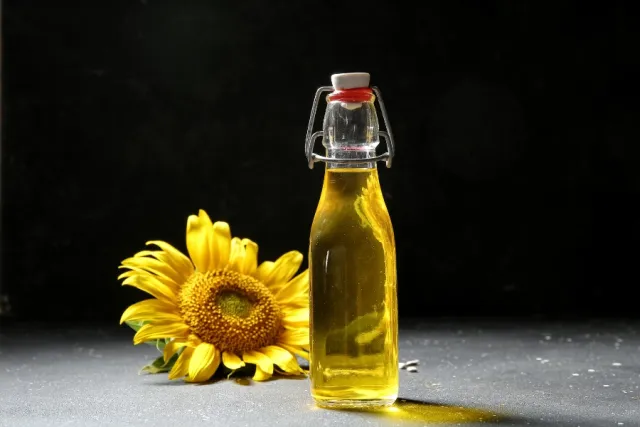
Walk into almost any Indian kitchen, and you'll find a large bottle of sunflower or refined mustard oil sitting near the stove. It's so normal that nobody questions it. But excessive use of highly refined seed oils may be doing quite a lot of damage to your cardiovascular system.
These oils are rich in polyunsaturated fatty acids that, when exposed to high cooking temperatures, break down and generate reactive oxygen species, unstable molecules that trigger oxidative stress in the body. Over time, this oxidative stress puts real strain on your arteries and heart tissue.
Swapping refined seed oils for traditional fats like ghee, butter, coconut oil, or cold-pressed peanut oil, used in moderate quantities, is a small change that could carry meaningful long-term benefits for your heart health.
2. Snacking on Packaged and Ultra-Processed Foods
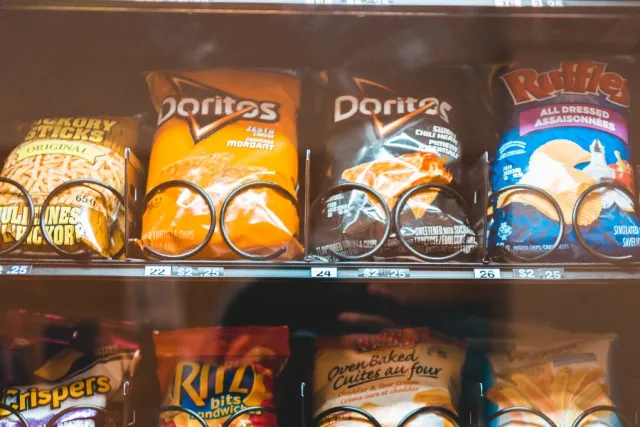
Chips, namkeen, instant noodles, crackers, they're convenient, addictive, and unfortunately, metabolically destructive. Ultra-processed packaged foods are loaded with refined carbohydrates, excess salt, and a cocktail of preservatives that your body was simply never designed to handle in these quantities.
Every time you eat them, your blood sugar spikes sharply. Insulin floods your system. Repeat this cycle enough times, and you've created the conditions for chronic low-grade inflammation, one of the most well-documented drivers of arterial damage and heart disease.
There's another layer to this: these foods actively promote visceral fat accumulation. That's the deep abdominal fat wrapped around your organs, and it's far more metabolically dangerous than surface-level body fat. Visceral fat fuels atherosclerosis, the hardening and narrowing of arteries, which is a direct precursor to heart attacks.
3. Drinking Your Sugar
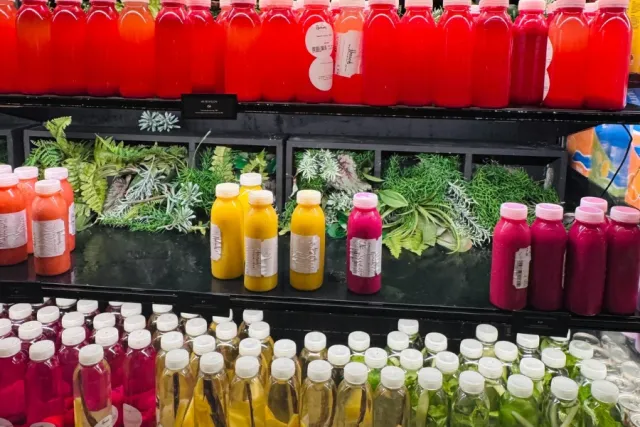
This one catches people off guard. Fruit juices. Sodas. Energy drinks. Even so-called healthy packaged drinks. They all share one thing: liquid sugar that hits your bloodstream almost instantly.
Unlike sugar from whole food sources, liquid sugar requires virtually no digestion. The result is an immediate, dramatic spike in blood glucose and insulin. Do this repeatedly, and you're looking at falling HDL (good cholesterol) levels and rising triglycerides, a combination that cardiologists have consistently flagged as a serious risk factor for heart disease.
The shift from it's just a drink to understanding it as a cardiovascular stressor is one of the most important mindset changes you can make for your long-term health.
4. Relying Too Heavily on Refined Grains
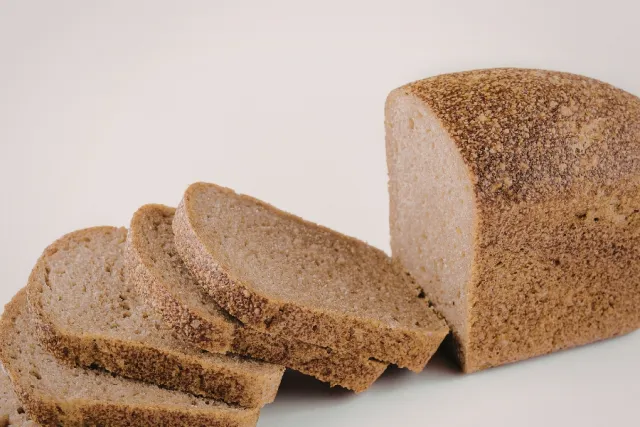
White bread at breakfast. Pasta for dinner. Instant noodles when you're lazy. Refined grains have become so embedded in modern eating that most people don't think twice about them. But these processed carbohydrates are stripped of fibre and nutrients, leaving behind a product that spikes blood sugar rapidly and contributes to insulin resistance over time.
Insulin resistance is arguably one of the most dangerous metabolic conditions you can develop quietly. It increases systemic inflammation, damages blood vessels, and significantly raises your risk of both type 2 diabetes and cardiovascular disease. The two conditions, as it turns out, are deeply intertwined, and refined grain consumption is a common thread running through both.
Replacing refined grains with whole grain alternatives, millets, or vegetable-based options wherever possible is a practical and effective shift.
5. Eating Processed Meats Regularly
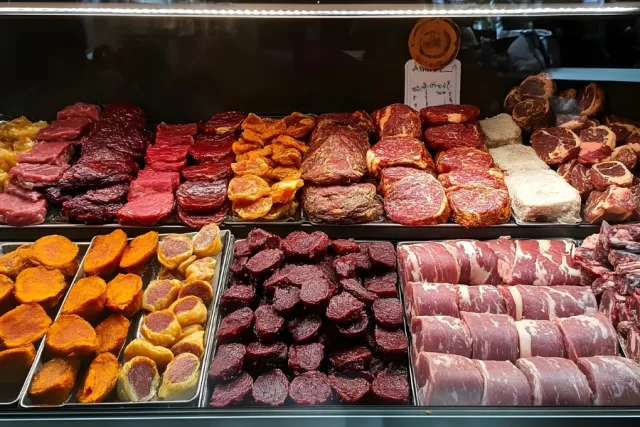
Sausages, salami, packaged deli meats, processed chicken products, these are now staples in many urban households, especially among younger people. They're quick to prepare and taste good. But they come with a significant health cost.
Processed meats are high in nitrates, sodium, and chemical preservatives. Multiple large-scale studies, including landmark research involving hundreds of thousands of participants, have linked regular processed meat consumption to increased rates of cardiovascular disease and premature death. The mechanism involves both direct arterial inflammation and broader metabolic disruption over time.
None of these foods will send you to the hospital after a single serving. That's precisely what makes them dangerous, the harm is slow, cumulative, and largely invisible until it isn't.
The most important thing to understand about heart attack risk is that it builds over years of routine choices. Supplements won't undo a consistently poor diet. No amount of omega-3 capsules or multivitamins can neutralise the damage caused by daily consumption of these five food categories.
The good news? Your plate is something you control. And the changes don't have to be dramatic to make a real difference. Start with one swap. Then another. Your heart is keeping score. and it's never too late to shift the numbers in your favour.