Winter has a way of changing not just the weather, but also our appetite, routine, and food choices. As the chill sets in, cravings naturally tilt toward warm, rich, and comforting foods. Ghee-laden meals, sweet snacks, and packaged winter specials suddenly feel justified. But here’s the truth most people overlook: not everything that feels right in winter is actually right for your body.
According to a clinical nutritionist, several popular winter foods may silently sabotage your health goals. From unnecessary sugar spikes to excess calories and hidden sodium, some seasonal favourites can lead to weight gain, poor digestion, inflammation, and sluggishness, especially when physical activity drops during colder months.
Let’s break them down and understand what to eat instead.
Why Winter Eating Needs Extra Attention
Winter slows us down. We move less, stay indoors more, and often eat more 'comfort foods' than our bodies actually need. The metabolism may feel slower, digestion can weaken, and excess calories, especially from sugar and fat, are more likely to be stored than burned.
This is why mindful winter eating isn’t about restriction, but smart swaps.
5. Amla Candy

Amla is widely known as a superfood, rich in vitamin C and antioxidants. But here’s the catch. Most amla candies are heavily processed and loaded with sugar to balance the sour taste. What you’re actually consuming is more sugar than nutrition, something your body doesn’t need in winter.
Why to avoid it
- High added sugar
- Minimal real nutritional benefit
- Can spike blood sugar levels
Healthier alternative
Use fresh grated amla instead. Add it to:
- Chutneys
- Dal and sabzis
- Salads
- Vegetable stir-fries
You’ll get all the benefits of amla without the sugar overload.
4. Chyawanprash
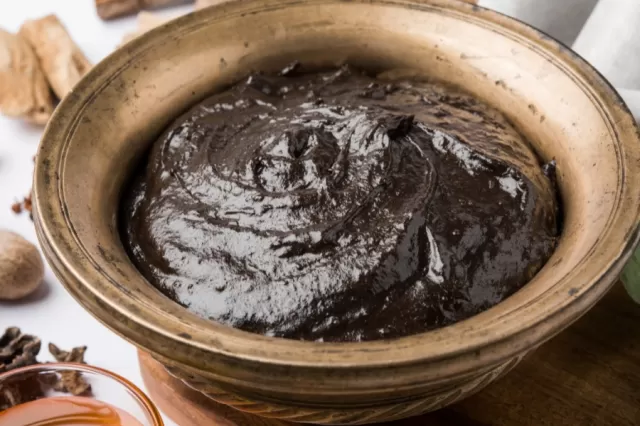
Chyawanprash has long been marketed as a winter immunity booster, especially for children. But Amita Gadre challenges this long-held belief. Despite its herbal image, most commercially available chyawanprash contains significant amounts of sugar. Additionally, it lacks the nutritional benefits of real food.
Why to avoid it
- High sugar content
- Not necessary for immunity
- Often consumed daily without awareness of calories
Healthier alternative
A simple homemade vegetable soup can offer:
- More antioxidants
- Better hydration
- Fiber and micronutrients
- No added sugar
Real food always beats processed health supplements.
3. Dry Fruit Laddus

Dry fruits are nutritious, no doubt about that. But when turned into laddus with jaggery, ghee, and dates, they become extremely calorie-dense. In winter, when movement is already limited, these extra calories add up quickly.
Why to avoid overconsumption
- Very high calorie content
- Easy to overeat
- Can slow fat loss goals
Healthier alternative
Stick to a tight fistful of mixed nuts:
- Almonds
- Walnuts
- Pistachios
This gives you healthy fats, protein, and minerals, without excess calories.
4. Ready-Packaged Soups

Nothing feels better than a hot bowl of soup on a cold evening. But packaged soups are far from healthy. These soups are often loaded with preservatives, artificial flavours, and salt, while lacking fibre and real vegetables.
Why to avoid them
- Extremely high sodium
- Poor nutritional value
- Can cause bloating and water retention
Healthier alternative
Prepare homemade soups using:
- Seasonal vegetables
- Lentils or beans
- Mild spices
They’re nourishing, filling, and genuinely warming from within.
5. Ghee Overload

Ghee is deeply associated with Indian winters. While it does have benefits, excess is where the problem begins.
Why to avoid excess ghee
- High in calories
- Easy to overconsume
- Can lead to weight gain when activity is low
Healthier approach
Use ghee mindfully, not generously. A small amount for flavour is enough. Balance it with:
- Adequate protein
- Vegetables
- Regular movement
The Smart Way to Eat This Winter
Winter health isn’t about cutting out everything you enjoy. It’s about being aware of hidden sugars, excess fats, and unnecessary processed foods that sneak into your diet under the label of 'seasonal'.
Focus on:
- Fresh, seasonal produce
- Homemade meals
- Warm, nourishing foods
- Portion control
When you eat with awareness, winter becomes a season of strength, not sluggishness.
Winter comfort foods don’t have to come at the cost of your health. By avoiding sugar-heavy, processed, and calorie-dense foods like amla candy, chyawanprash, dry fruit laddus, packaged soups, and excess ghee, you can enjoy the season while staying fit and energised.
As nutritionist Amita Gadre reminds us, real food, eaten mindfully, is the best immunity booster, any season of the year.
Also Read: What Are the 5 Hidden Dangers in Skincare Products?